Buyer's Guide: Why a Gas and Induction Combined Hob Might Be Your Best Choice
- Share
- publisher
- CHEFF
- Issue Time
- Dec 30,2025
Summary
Choosing a cooktop involves balancing aesthetics and function. A dual fuel gas and induction hob combines gas heat control with induction efficiency for greater flexibility.
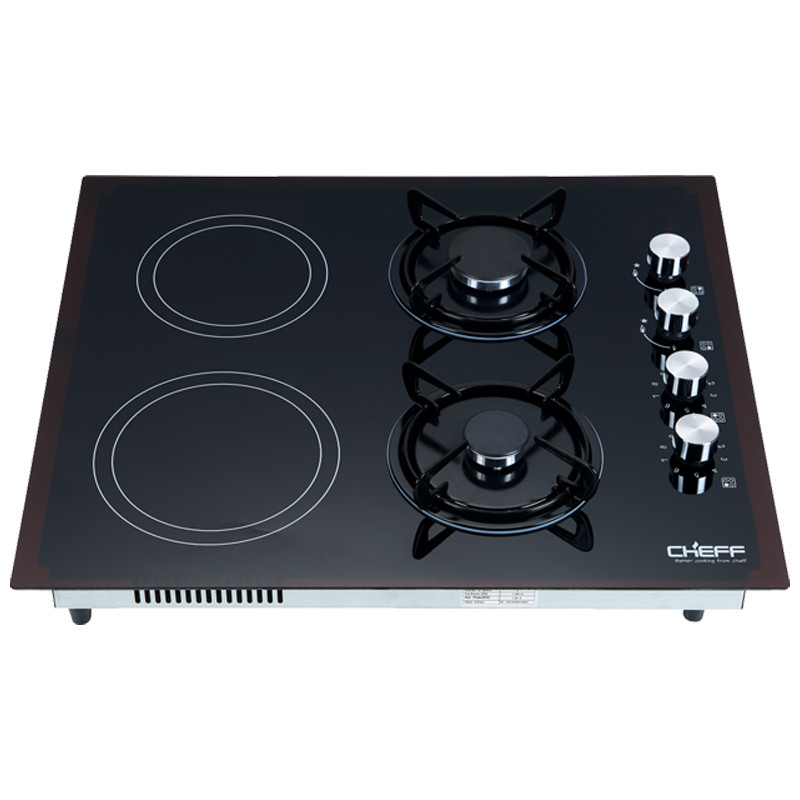
Choosing the right cooktop for your kitchen is a significant decision, balancing aesthetics, functionality, and your unique cooking style. For many home cooks, the age-old debate between gas and induction hobs often sparks a passionate discussion. However, what if I told you there’s a solution that offers the best of both worlds? I've explored the features of various cooktops, and today, I'm excited to share why a gas and induction combined hob might be your ultimate culinary companion.
I understand the challenges of selecting a major cooking appliance, considering space, budget, design, and daily usage. This guide will delve into the distinct advantages of both gas and induction cooking, and then highlight how a gas and induction combined hob can revolutionize your kitchen experience.
Key Takeaways
- Ultimate Flexibility: A combination hob, also known as a
dual fuel cooktop, merges the raw power and visual control of gas with the speed, safety, and efficiency of induction. - No-Compromise Cooking: Use the gas burners for high-heat searing, wok cooking, or charring, and the induction zones for rapid boils, gentle simmers, and energy-efficient meal preparation.
- Cookware Freedom: You don't have to replace your entire collection of pots and pans. Your existing non-magnetic cookware (like aluminum or copper) works perfectly on the gas side, while your induction-ready pans excel on the induction elements.
- Enhanced Safety and Efficiency: Benefit from the combined safety features of both technologies, including flame failure devices on the gas burners and auto shut-off, child locks, and cool-to-the-touch surfaces on the induction side. Use the more energy-efficient induction zones for daily tasks to lower utility bills.
- Customizable Kitchen Design: Modular systems allow you to create a bespoke cooking surface that perfectly matches your culinary workflow, combining single gas burners with multi-zone induction units.
Understanding the Foundation: Gas vs. Induction Cooktops
Before we can appreciate the genius of combining gas and induction, it's essential to understand the core strengths that make each technology a favorite in its own right. For decades, the kitchen cooktop was a simple choice, but modern advancements have given us powerful new options. Let's break down the enduring appeal of traditional gas cooking and the modern efficiency that makes induction a compelling alternative.
The Enduring Appeal of Gas Cooktops
For many seasoned chefs and passionate home cooks, cooking with gas is non-negotiable. The open flame has a primal, intuitive feel that offers a unique connection to the cooking process. This is why a significant majority of professional chefs still prefer gas in a fast-paced kitchen environment.
Precision and Control
The single most celebrated advantage of gas is its immediate, visual, and precise temperature control. When you turn the knob on a gas cooktop, the flame responds instantly, growing or shrinking to give you exact command over the heat. This responsiveness is critical for complex dishes that require quick adjustments, from bringing a sauce to a rapid boil and then immediately down to a gentle simmer, to achieving the perfect high-heat sear on a steak. A chef can gauge the heat just by looking at the flame, a tactile and analog feedback that digital controls can't fully replicate. This direct control prevents overcooking, as the heat source vanishes the moment you turn off the burner.
Cookware Compatibility and Versatility
Gas cooktops are the undisputed champions of cookware compatibility. The grates can hold any type of pot or pan, regardless of its material or shape—be it stainless steel, copper, cast iron, aluminum, or even pans with a slightly warped bottom. This flexibility is invaluable, especially for cooks who have invested in a diverse collection of cookware over the years. Furthermore, the open flame is uniquely suited for certain cooking techniques that are difficult to replicate on a flat surface. It's perfect for charring vegetables, toasting spices, and, most notably, for wok cooking, where the flame heats the sloped sides of the wok to create the "wok hei" essential for authentic stir-fries.
The Modern Efficiency of Induction Cooktops
On the other side of the spectrum is induction technology, a cutting-edge method that is rapidly gaining popularity for its speed, safety, and efficiency. Instead of heating the cooktop surface, induction uses an electromagnetic field to generate heat directly within the cookware itself. This fundamental difference gives it a distinct set of advantages that appeal to the modern, busy household.
Speed and Energy Efficiency
If speed is your priority, induction is unparalleled. Because energy is transferred directly to the pan, induction cooktops can boil water 20-40% faster than their gas and electric counterparts. This can shave precious minutes off meal prep, a significant benefit for busy families. This direct heating process is also incredibly energy-efficient. According to Energystar.gov, induction cooking is about 5-10% more efficient than conventional electric cooktops and three times more efficient than gas models, as very little heat escapes into the surrounding kitchen air. This not only leads to lower energy bills but also keeps the kitchen cooler and more comfortable during cooking.
Safety and Easy Cleaning
Safety is a standout feature of induction cooking. The cooktop surface itself remains relatively cool to the touch, as heat is generated in the pan, not on the glass. This dramatically reduces the risk of accidental burns, a major plus for families with young children. Many models also include safety features like automatic shut-off when a pan is removed and child locks. The absence of an open flame also eliminates risks associated with gas leaks.
This cool surface also makes cleanup remarkably simple. Spills and splatters don't burn onto the cooktop, so they can be easily wiped away with a damp cloth once cooking is finished. There are no grates or burner caps to scrub, turning post-meal cleanup from a chore into a quick, effortless task.
Comparison Table: Gas vs. Induction
| Feature | Gas Cooktop | Induction Cooktop |
|---|---|---|
| Heat Control | Instant, visual flame adjustment | Precise digital temperature settings |
| Speed | Heats up quickly | Extremely fast, boils water up to 50% quicker |
| Efficiency | Lower efficiency, more heat loss | Highly efficient (85-90%), less wasted energy |
| Cookware | Compatible with all materials | Requires magnetic cookware (iron, steel) |
| Safety | Open flame poses burn/fire risk | Surface stays cool, auto shut-off |
| Cleaning | More difficult due to grates and burners | Easy to clean smooth, flat surface |
| Installation | Requires a gas line | Requires a dedicated high-power electrical circuit |
Why a Gas and Induction Combined Hob is Your Best Choice
After weighing the distinct pros and cons of gas and induction, it becomes clear that both offer incredible benefits. The dilemma for many is choosing one over the other. But what if you didn't have to choose? The gas and induction combined hob, also known as a hybrid hob or dual fuel cooktop, emerges as the ultimate solution, seamlessly integrating both technologies into a single, powerful appliance. This hybrid approach represents the pinnacle of modern cooking technology, designed to offer unparalleled flexibility and performance.
Unleashing Culinary Versatility with a Gas and Induction Combined Hob
The most significant advantage of a mixed fuel cooktop is the sheer culinary freedom it provides. It empowers you to use the best cooking method for any given task, all on one surface. Imagine this scenario: you're preparing a multi-course meal. On the induction zones, you're rapidly boiling a large pot of water for pasta and gently melting chocolate for dessert with precise, low-temperature control to prevent scorching. Simultaneously, on the powerful gas burner, you're achieving a perfect, high-heat sear on a steak in a cast-iron skillet and stir-frying vegetables in a traditional round-bottomed wok, utilizing the open flame to its full potential. This ability to multitask with the ideal heat source for each dish is a game-changer, allowing for a level of creativity and efficiency previously reserved for professional kitchens. This hybrid setup truly supports a wide variety of cooking techniques without compromise.
Balancing Energy Efficiency and Performance
A gas and induction combined hob offers a smart approach to energy consumption in the kitchen. Induction cooking is renowned for its efficiency, transferring approximately 90% of its energy directly into the cookware. By using the induction elements for everyday tasks like boiling, simmering, and reheating, you can significantly reduce your energy consumption and lower utility bills over time. However, when you need the raw power and responsiveness of a flame for specific techniques, the gas burner is ready to go. This allows you to optimize energy usage based on your cooking needs, enjoying the cost-effective and eco-friendly benefits of induction without sacrificing the high-performance capabilities of gas. It's a pragmatic balance that makes sense for both your wallet and the environment.
Addressing Cookware Compatibility Concerns
One of the main hesitations for home cooks considering a full switch to induction is the requirement for specific, magnetic cookware. A gas and induction combined hob elegantly solves this problem. You don't need to discard your favorite non-magnetic pans, such as those made from aluminum, copper, or glass. These pieces can still be used on the gas burner, where they perform just as they always have. Meanwhile, any induction-ready cookware you own or plan to purchase—like cast iron, enameled cast iron, or magnetic stainless steel—will work flawlessly on the induction zones. This hybrid hob provides a perfect transitional path, allowing you to continue using your cherished cookware while gradually embracing the benefits of induction. It eliminates the upfront cost and hassle of a complete cookware overhaul, offering true flexibility.
Enhanced Safety Features and Convenience for the Gas and Induction Combined Hob
By bringing together two different technologies, a combined hob also merges their respective safety features, creating an exceptionally secure cooking environment. On the induction side, you get a surface that stays cool to the touch, auto-shutoff functions that turn off the element when a pan is removed, and child locks to prevent accidental activation—all of which are major advantages in homes with children. The gas side doesn't fall behind; modern gas burners are typically equipped with Flame Failure Devices (FFDs), which automatically cut off the gas supply if the flame is accidentally extinguished, preventing dangerous gas leaks. Another crucial benefit is reliability during a power outage; while the induction zones will be inactive, the gas burners can still be lit manually, ensuring you're never left unable to cook a meal. This combination of advanced electronic safeguards and failsafe gas mechanisms provides comprehensive peace of mind in the kitchen.
Exploring Modular and Integrated Gas and Induction Combined Hob Systems
For those who crave ultimate control over their kitchen's design and functionality, the world of combination hobs extends beyond pre-configured models. Modular systems and innovative offerings from leading brands allow you to build a truly bespoke cooking station. This approach not only caters to specific culinary needs but also creates a stunning visual centerpiece in the modern kitchen.
Customizing Your Cooking Zone with a Modular Gas and Induction Combined Hob
The concept of a modular cooktop (also known as a domino hob) is revolutionary for kitchen customization. These are slim, individual cooking units, typically 12 to 15 inches wide, that can be installed side-by-side to create a personalized cooking surface. This "mix-and-match" approach allows you to combine different technologies based on your unique cooking style. For instance, you could pair a powerful single-burner gas module with a wok ring right next to a two-zone induction module. You could even add a specialized griddle or steamer module to complete your setup. This grants you the freedom to design a cooking zone that perfectly mirrors your workflow, rather than adapting your cooking to a standard hob layout. Reputable brands like Wolf and Jenn-Air offer extensive modular lines that fit together seamlessly, turning your countertop into a truly versatile and integrated culinary workshop.
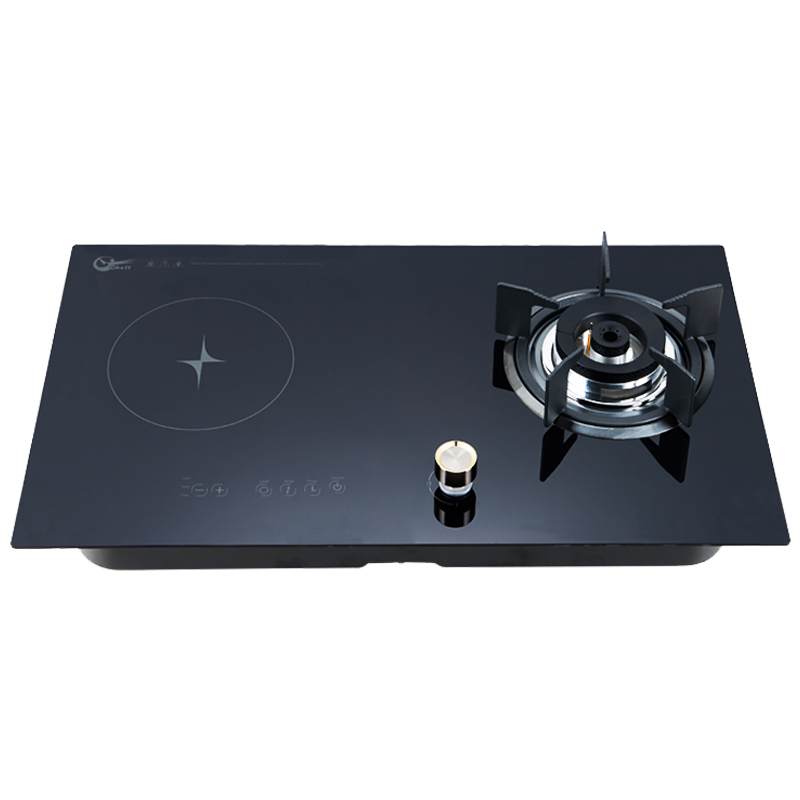
Leading Brands in Gas and Induction Combined Hob Technology
Several high-end appliance manufacturers have embraced the hybrid cooking concept, offering sophisticated and powerful combination hobs. These brands are known for their innovation, reliability, and cutting-edge features. When considering a premium appliance, it's worth exploring what the top names in the industry provide. For detailed specifications or questions about product integration, it's often best to consult a reputable Gas Induction Combined Hob Manufacturer.
Thermador's Innovative Gas and Induction Combined Hob Offerings
Thermador is a luxury brand renowned for its powerful and innovative cooking appliances. While they don't produce a single integrated gas and induction hob, their Pro Grand series of ranges offers configurations that include both their iconic star-shaped gas burners and an induction zone on the same cooktop. Their star burners are celebrated for superior heat distribution and an ExtraLow simmer function, while their induction technology is considered among the best in the industry, featuring innovations like the HeatShift® feature that automatically adjusts power when you move a pan. For those building a custom kitchen, Thermador's modular Freedom® Induction Cooktop can be paired with their gas cooktops to create a truly professional-grade setup. This gives you access to their powerful 22,000 BTU burners alongside their flexible induction cooking zones.
Jenn-Air's Flexible Gas and Induction Combined Hob Configurations
Jenn-Air specializes in offering a high degree of customization through its line of modular cooktops. Their collection includes a variety of 15-inch modules that can be combined in nearly endless configurations. You can easily pair a 15-inch, 2-burner gas cooktop with their versatile induction flex cooktop, or even add their unique concave induction wok module for specialized cooking. These units are designed with common dimensions to ensure a seamless, integrated look when installed together. Jenn-Air's commitment to flexibility allows homeowners to build their ideal cooking surface, combining the raw power of gas burners—some offering up to 20,000 BTUs—with the precision and sleek design of induction technology.
Design and Installation Considerations for Your Gas and Induction Combined Hob
Installing a dual fuel cooktop requires careful planning, as it involves connecting to both gas and electrical supplies. It is not a simple DIY job.
Here are the key factors to consider:
- Professional Installation: Due to the complexity of handling both gas and high-voltage electricity, installation MUST be performed by licensed professionals. A Gas Safe registered engineer is required for the gas connection, and a qualified electrician is needed for the electrical wiring to ensure safety and compliance with local codes.
- Gas and Electrical Supply: Ensure that both a gas line and an appropriate electrical outlet are located within close proximity (typically within 1.5 meters) of the intended installation area. Combination hobs often require a dedicated high-amperage circuit (e.g., 32-amp or 45-amp), which may necessitate an upgrade to your home's electrical panel.
- Countertop Cutout: The countertop will need a precise cutout to accommodate the hob's dimensions. Refer to the manufacturer's specifications for exact measurements. If you're replacing an existing hob, you may need to adjust the cutout size.
- Ventilation: Proper ventilation is crucial, especially with gas burners that produce more ambient heat and combustion byproducts. A powerful and correctly sized range hood or downdraft system should be installed to effectively remove smoke, steam, and odors from your kitchen. Ensure there is adequate clearance between the cooktop and the hood as specified by the manufacturer.
- Clearance and Cabinetry: Pay close attention to the required clearances to combustible surfaces, such as overhead cabinets and adjacent walls. These minimum distances are mandated for fire safety and will be detailed in the installation manual.
Planning these aspects in advance will ensure a smooth, safe, and successful installation of your new best combination cooktop.
Frequently Asked Questions (FAQs)
1. Do I need special cookware for a gas and induction combined hob? This is one of the biggest advantages of a hybrid hob. For the induction zones, you will need cookware made of a magnetic material, such as cast iron or magnetic stainless steel. You can test your current pots and pans by seeing if a magnet sticks firmly to the bottom. For the gas burners, you can use any type of cookware you already own, including non-magnetic materials like aluminum, copper, and glass. This means you don't have to replace your entire collection.
2. Is it difficult or expensive to install a gas and induction combined hob? Installation is more complex than a standard single-fuel cooktop because it requires both a gas line and a dedicated high-amperage electrical circuit. It is absolutely essential that installation is performed by qualified professionals—a licensed Gas Safe engineer for the gas connection and a certified electrician for the wiring—to ensure safety and code compliance. While the installation cost may be higher than for a single-fuel unit, the versatility and performance often justify the investment for serious cooks.
3. How do I clean a mixed fuel cooktop? Cleaning is straightforward but requires a two-part approach. The induction side, being a smooth glass surface that doesn't get excessively hot, is very easy to clean; spills don't burn on and can be wiped away with a damp cloth and a ceramic cooktop cleaner. The gas side requires more effort. You will need to remove the cast-iron grates and burner caps to clean them separately, typically with warm, soapy water. The surface beneath can then be wiped down. Always wait for all components to cool completely before cleaning.
4. Are combination gas and induction hobs more energy-efficient? They offer the potential for greater energy efficiency. Induction technology is significantly more efficient than gas, converting about 85-90% of its energy into cooking heat, compared to gas at around 40-55%. By using the induction zones for routine tasks like boiling water or simmering, you can substantially reduce your overall energy consumption. You get the efficiency of induction for most of your cooking, while reserving the less-efficient but powerful gas burner for specific tasks where it excels.
5. Is a gas and induction hob a good choice for a small kitchen?
Absolutely. In a small kitchen where countertop space is at a premium, a hybrid hob can be an excellent solution. Instead of trying to find space for separate ancillary appliances like a portable induction burner, you get two premium cooking technologies integrated into one sleek unit. This maximizes functionality without cluttering your workspace. Many brands offer combination hobs in various sizes, including compact models, as well as modular "domino" hobs that give you even more flexibility in a tight space.
Conclusion
In my opinion, the choice of a gas and induction combined hob is clear for anyone seeking top-tier culinary performance and flexibility. This hybrid approach truly offers the best of both worlds, ensuring I can tackle any recipe with confidence and precision. You get the responsive, visual control of a gas flame for searing and sautéing, paired with the unparalleled speed, safety, and efficiency of induction for everything else. It eliminates the compromises and tough decisions that often come with choosing just one cooking technology.
By adopting a gas and induction combined hob, you can unlock new culinary possibilities and enjoy a more efficient, safer, and versatile cooking experience in your kitchen. Consider how a Cheff gas and induction combined hob could transform your daily routine, empowering you to cook with more creativity and control. If you're ready to explore the ultimate cooking solution for your home, take the next step. Get a quote today and discover how a hybrid hob can elevate your kitchen to the next level. We'd love to hear your thoughts—share this article or leave a comment below with your own experiences