Electric and Gas Hob Technology: Features That Define Modern Cooking
- Share
- publisher
- CHEFF
- Issue Time
- Dec 31,2025
Summary
Choosing between gas and electric hobs impacts cooking. Gas offers instant heat and control but needs more cleaning; electric is modern and easy to maintain but slower to respond.
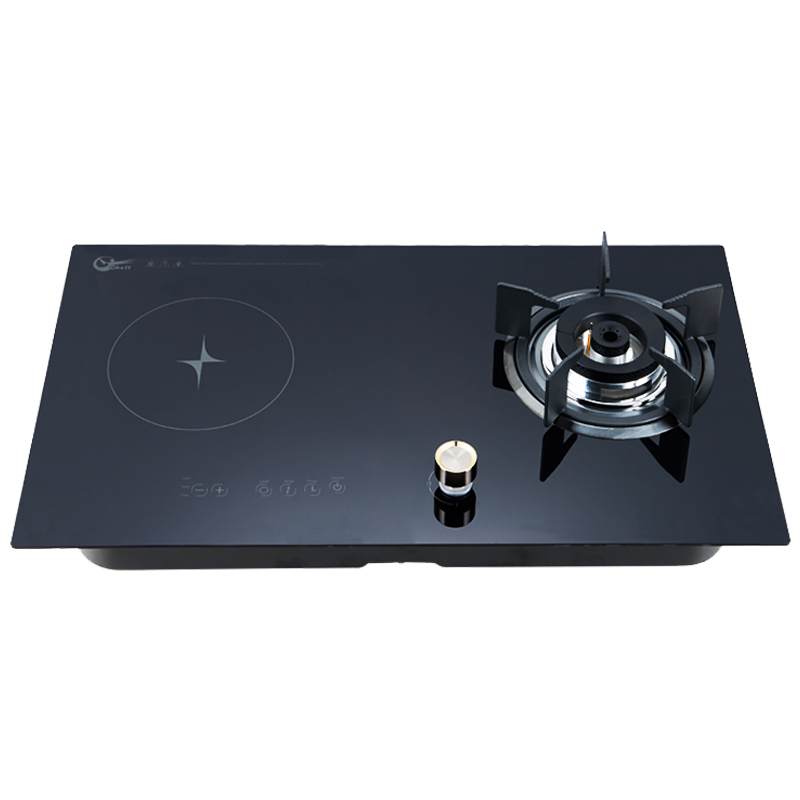
As a passionate cook, I know that the right kitchen appliances are fundamental to shaping our culinary experiences. The decision between different cooking technologies, particularly the choice of an electric and gas hob, can profoundly affect our daily routines and the quality of the meals we create. This single choice influences everything from cooking speed and precision to kitchen aesthetics and cleanup.
Join me as we explore the fascinating world of electric and gas hob technology. Together, we'll uncover the unique features and advanced functionalities that define modern cooking. By the end of this guide, you will have the clarity and confidence to make a truly informed decision for your kitchen, selecting an appliance that not only meets your needs but also inspires your culinary creativity for years to come.
Key Takeaways
For those looking for a quick summary, here are the essential points to understand when choosing between electric and gas hob technologies:
- Gas Hobs Offer Unmatched Control: Gas hobs provide instantaneous heat and precise temperature control, as the flame responds immediately to adjustments. This makes them a favorite among professional chefs and serious home cooks who require rapid changes in heat for techniques like searing, simmering, and stir-frying. They are measured in BTUs (British Thermal Units), with higher BTUs indicating greater heating power. However, they can be more challenging to clean due to grates and burner components, and they pose a potential safety risk if a leak occurs. The open flame also releases heat into the kitchen, which can be a drawback in warmer climates.
- Electric Hobs Provide Variety and Modern Aesthetics: Electric hobs come in several forms, each with distinct advantages.
- Smooth-Top (Ceramic): These hobs feature a sleek, flat glass surface that is easy to clean and offers a modern look. They provide even, consistent heat but can be slower to respond to temperature changes compared to gas or induction. The surface can also be scratched by certain cookware.
- Coil Burners: This is the most traditional and budget-friendly electric option. The exposed coils are durable and efficient at transferring heat to any type of flat-bottomed cookware, but they are the most difficult to clean and offer less precise temperature control.
- Induction Hobs: As the most advanced electric option, induction technology uses electromagnetism to heat the cookware directly, not the cooktop surface. This results in incredibly fast heating, unparalleled energy efficiency, and a much safer cooking environment as the surface remains cool to the touch. Induction offers the responsiveness of gas with the easy-to-clean benefits of a smooth top. The main drawback is the requirement for specific, induction-compatible (ferromagnetic) cookware.
- Dual Fuel Ranges Offer the Best of Both Worlds: For cooks who refuse to compromise, a dual fuel range or a Gas Electric Hob Combined unit provides a gas cooktop for precision stovetop cooking and an electric oven for consistent, even baking. This hybrid cooktop solution addresses the primary strengths and weaknesses of each fuel type, offering ultimate versatility. While they represent a higher initial investment and have more complex installation requirements (requiring both gas and 240V electrical hookups), they are often considered a worthwhile long-term investment for passionate home chefs.
- Modern Features Enhance the Cooking Experience: Regardless of fuel type, modern hobs are equipped with innovations that improve convenience, safety, and functionality. Features like integrated timers help prevent overcooking, while bridge zones allow you to combine two smaller heating elements into one large zone for griddles or oversized pans. Advanced safety features, such as flame failure detection on gas hobs and automatic shut-off and child locks on electric models, are becoming standard. Smart technology is also emerging, with hobs that can connect to Wi-Fi for remote monitoring and control. Understanding these features can help you select a truly modern and capable appliance.
Understanding Electric and Gas Hob Technology: A Fundamental Comparison
Choosing the right cooktop is a foundational decision in kitchen design, balancing tradition with technological advancement. Gas hobs, with their open flames, appeal to those who love a hands-on, responsive cooking experience. On the other hand, electric hobs offer a sleek, modern alternative, with options ranging from smooth ceramic surfaces to cutting-edge induction technology. Each brings its own set of advantages in power, efficiency, and aesthetics to the modern kitchen.
Gas Hobs: Precision and Power at Your Fingertips
Gas hobs are often the top choice for professional chefs and passionate home cooks due to their unparalleled control and responsiveness. The visible flame provides immediate visual feedback, allowing for instant adjustments to heat levels, a feature that is critical for delicate culinary tasks. This ability to quickly transition from a high-heat sear to a gentle simmer is what sets gas cooking apart.
The Benefits of Gas Hobs
The primary advantage of a gas hob lies in its instant heat and precise control. Unlike electric hobs that need time to warm up and cool down, a gas flame responds immediately to the turn of a knob. This makes it easier to prevent food from burning or boiling over.
Other key benefits include:
- Versatility with Cookware: Gas hobs are compatible with a wide variety of cookware materials, including stainless steel, cast iron, and aluminum.
- Even Heat Distribution: The flames spread across the bottom of the pan, providing even cooking, which helps maintain the taste and quality of the food.
- Reliability During Power Outages: Since they run on natural gas or propane, gas hobs can continue to operate even when the electricity is out, ensuring you can always prepare a meal.
- Cost-Effectiveness: In many areas, natural gas is less expensive than electricity, which can lead to lower energy bills over time, making it a cost-effective choice for frequent cooks.
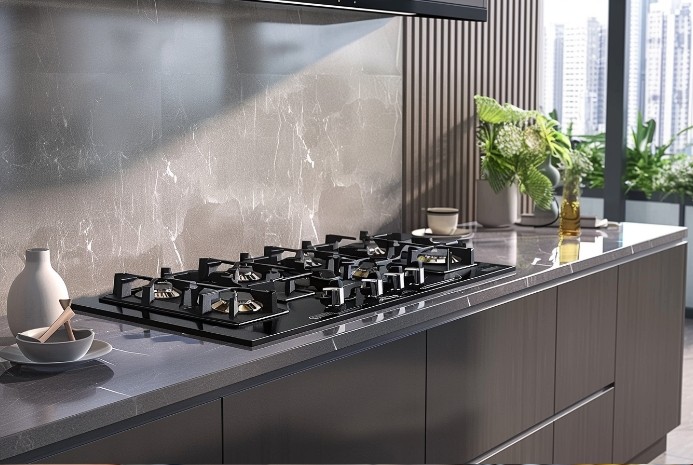
Modern gas hobs from a reputable gas hob manufacturer often come with enhancements like FlameSelect, which offers predefined power levels for consistent and repeatable results, combining the benefits of gas with the precision once associated only with electric models.
Considerations for Gas Hobs
Despite their advantages, there are several factors to consider before choosing a gas hob. The open flame, while beneficial for control, introduces safety considerations. Modern hobs mitigate this with features like flame supervision devices that automatically cut the gas supply if the flame is extinguished.
Additional considerations include:
- Cleaning: Cleaning can be more laborious compared to smooth-top electric hobs. You must remove and clean heavy cast-iron grates and scrub around the burners to remove spills.
- Installation: Installation requires a certified professional to connect the gas line safely and ensure compliance with local building codes.
- Indoor Air Quality: Gas stoves can release byproducts like nitrogen dioxide and carbon monoxide into the home, making proper kitchen ventilation, such as a high-quality range hood, essential.
Electric Hobs: Efficiency and Aesthetics in Modern Kitchens
Electric hobs are renowned for their sleek design, ease of cleaning, and the variety of technologies available. They offer a modern, minimalist aesthetic that integrates seamlessly into contemporary kitchen designs. From the budget-friendly coil burner to the hyper-efficient induction cooktop, there's an electric option to suit every lifestyle and kitchen.
Smooth-Top Electric Hobs: Style and Simple Cleaning
Often called ceramic hobs, these cooktops feature heating elements located beneath a smooth, shatterproof glass surface. When a cooking zone is activated, the element heats up and transfers radiant heat through the glass to the pot or pan.
Advantages:
- Aesthetic Appeal: Their flat, seamless surface offers a clean and modern look.
- Easy to Clean: With no grates or burners to navigate, spills and splatters can be wiped away easily, especially after the surface has cooled.
- Consistent Heat: They provide steady and even heat distribution across the cooking zone.
Disadvantages:
- Slower Response Time: They take longer to heat up and cool down compared to gas or induction.
- Surface Can Scratch: The glass-ceramic surface can be scratched by abrasive cleaners or by dragging heavy cookware across it.
- Residual Heat: The surface remains hot long after being turned off, posing a potential burn risk. Most models include a residual heat indicator to mitigate this.
Coil Burner Electric Hobs: Economical and Reliable
The most traditional type of electric hob, coil burners use exposed metal heating elements that glow red when hot. These are often found in budget-friendly appliances and rental properties.
Advantages:
- Affordability: They are typically the least expensive type of hob to purchase.
- Durability: The metal coils are robust and can withstand heavy use.
- Cookware Compatibility: They work with any type of flat-bottomed cookware.
Disadvantages:
- Difficult to Clean: Spills and drips fall onto the coils and drip pans, which can be challenging to clean thoroughly.
- Uneven Heating: They can create hot spots, leading to uneven cooking.
- Less Precise Control: Temperature control is less responsive than other hob types.
Induction Hobs: The Pinnacle of Electric Hob Technology
Induction hobs represent the most significant advancement in cooktop technology. They use electromagnetic fields to generate heat directly in the cookware itself, rather than heating the hob's surface. An alternating current runs through copper coils beneath the glass, creating a magnetic field that induces a current in the pan, causing it to heat up rapidly.
Advantages:
- Unmatched Speed and Efficiency: Induction is the fastest cooking method, capable of boiling water up to 50% faster than gas or other electric hobs. It boasts an energy efficiency of 85-90%, compared to just 40-55% for gas, as very little heat is wasted.
- Superior Safety: The cooktop surface remains cool to the touch since the heat is generated in the pan. This drastically reduces the risk of burns.
- Extreme Precision: Temperature control is instantaneous and precise, rivaling the responsiveness of gas.
- Easy Cleaning: Since the surface doesn't get hot, food spills don't burn onto the glass, making cleanup as simple as wiping with a damp cloth.
Disadvantages:
- Cookware Requirement: Induction requires cookware made of a magnetic material (ferrous metals like cast iron or magnetic stainless steel). You can test your existing pots and pans by seeing if a magnet sticks to the bottom.
- Higher Initial Cost: Induction hobs are generally more expensive than other types of cooktops.
- Audible Buzzing: Some users report a slight humming or buzzing sound during operation, particularly at high power settings.
Diving Deeper into Burner Power of Electric and Gas Hob Systems
The performance of any hob, whether gas or electric, is fundamentally defined by the power of its burners. Understanding how this power is measured and how different burner configurations can serve your cooking style is key to selecting an appliance that meets your daily needs. Gas hobs measure power in BTUs, while electric hobs use watts, but the goal is the same: to provide the right amount of heat for any given task, from a gentle simmer to a powerful sear.
Gas Burner Output: Measuring Heat in BTUs
The power of a gas burner is quantified in British Thermal Units (BTUs). One BTU is the amount of energy needed to raise the temperature of one pound of water by one degree Fahrenheit. In the context of a cooktop, a higher BTU rating signifies a more powerful burner capable of generating more heat.
- Low-Power Burners (500 - 5,000 BTUs): Often called simmer burners, these are designed for delicate tasks that require low, consistent heat, such as melting chocolate, reducing sauces, or keeping food warm without scorching.
- Mid-Range Burners (6,000 - 12,000 BTUs): This is the sweet spot for everyday cooking. A burner in this range is versatile enough for sautéing, frying, and boiling water at a moderate pace. Most home cooktops feature several burners in this range.
- High-Power Burners (15,000 - 22,000+ BTUs): These "power burners" are engineered for high-heat tasks. They are perfect for achieving a restaurant-quality sear on meat, stir-frying in a wok, or bringing large pots of water to a rapid boil.
While a high BTU rating is impressive, the true value of a gas hob lies in its dynamic range—the ability to provide a wide spectrum of heat levels across all its burners. A good hob should offer both a powerful sear and a stable, low simmer.
Electric Burner Output: Watts for Consistent Heat
For electric hobs, including ceramic, coil, and induction models, burner power is measured in watts (W). Higher wattage translates to more heating power and, generally, faster cooking times. A typical electric stove can consume between 1,000 and 3,000 watts on its highest setting.
Coil and Ceramic Hobs:
- Small burners: Typically range from 1,200 to 1,500 watts, suitable for small pans and low-heat cooking.
- Large burners: Can range from 2,000 to 3,500 watts, with some "rapid-boil" elements reaching even higher outputs for quick heating.
Induction Hobs: These are often more powerful and efficient.
- Standard burners: May range from 1,400 to 2,500 watts.
- Large or "boost" burners: Can reach 3,700 watts or more, providing exceptional speed for boiling and searing.
It's important to remember that electric hobs, especially non-induction models, regulate lower temperatures by cycling the power on and off. This is different from the continuous, adjustable flame of a gas burner. Induction hobs, however, offer much more precise and immediate power control, similar to gas.
The Versatility of Burner Configurations
Modern hobs are designed with versatile layouts to accommodate a variety of cooking styles and cookware sizes. The configuration of the burners is just as important as their individual power.
Four-Burner Hobs: This is the standard configuration, ideal for most small to medium-sized families. It typically includes one or two medium-power burners, one low-power (simmer) burner, and one high-power burner, offering a balanced setup for daily cooking needs. A four-burner layout generally provides ample space between burners, preventing overcrowding when using multiple pans.
Five-Burner Hobs: Increasingly popular, especially on 30-inch and 36-inch cooktops, five-burner models offer enhanced flexibility. The fifth burner is usually located in the center and is often an elongated or powerful oval-shaped burner designed for griddles, large stockpots, or specialty cookware. This configuration is perfect for larger families or for those who enjoy cooking complex meals that require multiple pots and pans simultaneously.
Specialty Configurations: Some hobs offer even more specialized layouts, including:
- Two or three-burner hobs: Designed for very small kitchens or as supplementary cooking surfaces.
- Six-burner hobs: Found on professional-style ranges, offering maximum cooking capacity.
- Modular "Domino" hobs: Allow you to mix and match different types of burners (e.g., a two-burner gas module next to a two-burner induction module) for a truly custom cooktop.
When choosing a configuration, consider the size of your kitchen, your typical cooking habits, and the types of meals you prepare most often.
Exploring Different Cooktop Types in Electric and Gas Hob Appliances
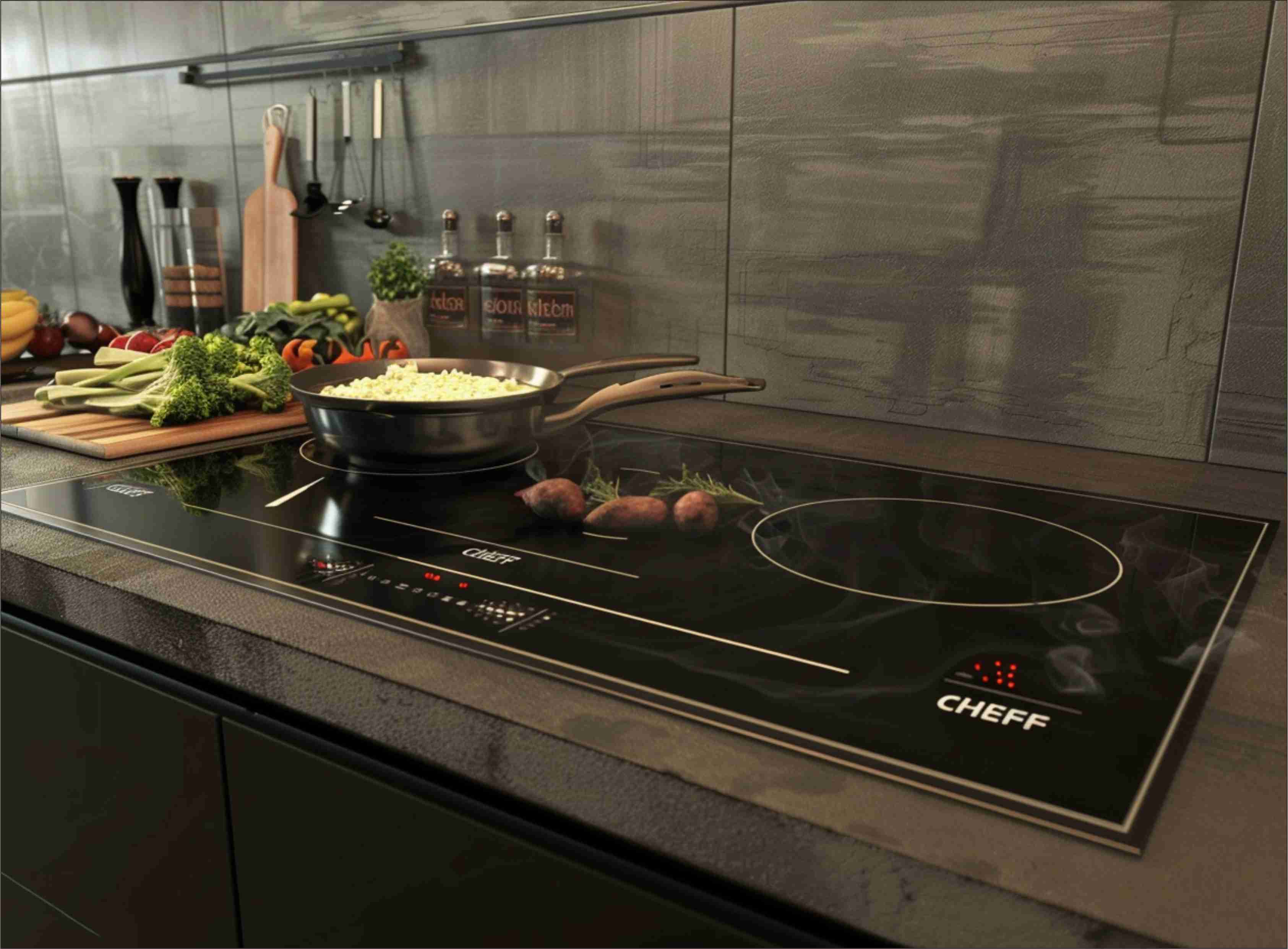
Beyond the technical specifications of power and burner size, the daily user experience is what truly defines a cooktop's value in your kitchen. How an appliance feels to use, how easy it is to clean, and how it responds to your commands can transform cooking from a chore into a joy. Each cooktop type—gas, smooth-top, induction, and coil—offers a distinct living and cooking experience.
Gas Cooktops: Instant Control for the Enthusiast Cook
Living with a gas cooktop is an experience centered around immediacy and tactile control. For many cooks, the ability to manipulate a real flame is an intuitive and satisfying way to cook.
User Experience:
- Instantaneous Response: When you turn the knob on a gas stove, the change in heat is immediate. This responsiveness is why many chefs prefer gas; it allows for precise adjustments on the fly, preventing a delicate sauce from scorching or a pot from boiling over.
- Visual Feedback: The visible flame provides a clear, intuitive indicator of the heat level, removing the guesswork associated with many electric models.
- Versatility in Technique: The open flame allows for techniques not possible on electric surfaces, such as charring peppers or warming tortillas directly over the burner.
- Cleaning Challenges: The downside to this traditional experience is the cleaning process. Heavy grates must be removed, and spills can get baked onto the burner heads and cooktop surface, requiring significant effort to keep clean.
Gas cooktops are ideal for those who love the art of cooking, value precision, and enjoy a hands-on, responsive appliance.
Electric Smooth-Top Cooktops: Elegant Design and Easy Maintenance
Electric smooth-top, or ceramic, cooktops offer a seamless blend of style and function, making them a popular choice for modern kitchens. Life with a ceramic hob is defined by its clean aesthetic and straightforward upkeep.
User Experience:
- Sleek Appearance: The flat, reflective glass surface creates a minimalist look that integrates beautifully with any countertop.
- Effortless Cleaning: With a completely flat surface, spills and splatters are easily wiped away with a damp cloth once the cooktop has cooled. There are no grates or crevices to trap food and grease.
- Slower Responsiveness: A learning curve is involved due to slower heating and cooling times. Unlike gas or induction, the surface retains heat long after being turned off, which can be used to finish cooking dishes but also poses a burn risk. Residual heat indicators are a crucial safety feature on these models. [3-4]
- Potential for Damage: The glass surface, while durable, is susceptible to scratches from rough-bottomed cookware and cracks if heavy objects are dropped on it. Sugary spills must be cleaned immediately to prevent permanent pitting on the surface.
Ceramic cooktops are perfect for those who prioritize aesthetics and easy cleaning over the instantaneous response of gas or induction.
Electric Induction Cooktops: Speed, Safety, and Precision
Living with an induction cooktop feels like stepping into the future of cooking. It combines the best attributes of gas and electric—the speed and precision of gas with the easy-to-clean surface of a smooth-top.
User Experience:
- Incredible Speed: Induction cooktops heat up almost instantly and boil water significantly faster—up to 50% faster—than gas or electric counterparts. This efficiency dramatically shortens cooking times.
- Unmatched Safety: The cooktop surface itself remains cool to the touch, as heat is generated directly in the cookware. This makes it the safest option available, especially for families with young children. Spills also won't burn onto the surface, making cleanup exceptionally easy.
- Responsive Control: Temperature adjustments are immediate, providing a level of control that rivals gas.
- The Cookware Consideration: The biggest adjustment is the need for induction-compatible cookware (made of iron or magnetic stainless steel). This can mean an additional investment if your current pots and pans are not magnetic.
- Quiet Operation: While some users notice a faint buzzing or humming sound at high power settings, induction cooktops are generally very quiet.
Induction is the ultimate choice for those who want maximum efficiency, safety, and performance, and are willing to invest in the right cookware.
Electric Coil Burner Cooktops: A Practical and Affordable Solution
The electric coil cooktop is a no-frills, workhorse appliance. It's often associated with budget-friendly kitchens and rentals, but it offers reliable performance for basic cooking needs.
User Experience:
- Affordability and Durability: Coil cooktops are the most affordable option on the market, and their robust metal burners can withstand heavy daily use.
- Reliable Heat: They provide consistent heat that works well for most everyday cooking tasks, though they can sometimes heat unevenly.
- Difficult to Clean: This is the biggest drawback. Spills fall beneath the coils into drip pans, which can be difficult to remove and clean thoroughly.
- Slower and Less Responsive: Like ceramic cooktops, they are slow to heat up and cool down, offering limited temperature control compared to gas or induction.
Coil cooktops are a practical and economical solution for those who need a basic, reliable cooking appliance without the advanced features or aesthetic appeal of more modern options.
The Allure of Dual Fuel Ranges: Blending Electric and Gas Hob Advantages
For the passionate cook who refuses to compromise, the world of kitchen appliances offers a compelling solution: the dual fuel range. This gas and electric combination stove is designed for those who appreciate the distinct advantages of both fuel types and want to harness them in a single, high-performance appliance. By blending the precision of a gas cooktop with the consistent heat of an electric oven, these ranges, sometimes found as a hybrid cooktop, represent a quest for culinary perfection.
What Defines a Dual Fuel Range?
A dual fuel range is a single appliance that combines two distinct technologies: a gas-powered cooktop and an electric-powered oven. This design is born from a simple yet powerful idea: use each fuel source for what it does best. Chefs and serious home cooks have long praised gas for its responsive, hands-on control on the stovetop and electric heat for its dry, even performance in the oven—ideal for baking and roasting.
A true dual fuel range should not be confused with a standard gas range (which uses gas for both the cooktop and oven) or an all-electric range. It is a purposeful combination stove that requires both a gas line and a 240-volt electrical outlet to function.
The Advantages of Integrating Electric and Gas Hob Features
Combining gas and electric functionalities in one unit offers a multitude of benefits that can elevate the home cooking experience to a professional level.
- Precision Cooktop Control: The gas cooktop provides immediate heat and responsive temperature adjustments. This allows for a perfect sear on a steak, a rapid boil for pasta, and a gentle simmer for delicate sauces—all with the intuitive visual feedback of an open flame. You simply can't replicate that immediate flame control with a standard electric coil or ceramic top.
- Superior Baking and Roasting: The electric oven is the star for bakers. It produces a dry, consistent heat that circulates evenly, which is crucial for achieving perfectly golden-brown pastries, evenly baked cakes, and crisp-skinned roasted meats and vegetables. Unlike gas ovens, which can have temperature fluctuations as the flame cycles, electric ovens maintain a more stable environment, reducing the need to constantly rotate dishes.
- Enhanced Versatility: A dual fuel range is the ultimate multitasker. You can confidently tackle complex recipes that require precise stovetop techniques and stable oven temperatures simultaneously, all from a single appliance.
- Access to Premium Features: Dual fuel models are often positioned as high-end appliances, meaning they frequently come equipped with advanced features like true convection (an additional heating element with a fan), steam-assist functions, temperature probes, and smart connectivity.
- Increased Home Value: Because they are considered a premium upgrade, installing a dual fuel range can add significant value and appeal to your kitchen and home.
Considering the Disadvantages of Dual Fuel Options
While the benefits are significant, there are important drawbacks to consider before investing in a dual fuel range.
- Higher Initial Cost: Dual fuel ranges are among the most expensive cooking appliances on the market. They typically cost significantly more than their all-gas or all-electric counterparts, placing them in a premium budget category.
- Complex Installation Requirements: The need for two separate fuel sources is the biggest hurdle. If your kitchen isn't already equipped with both a dedicated 240V electrical outlet and a professionally installed gas line in the correct location, the installation costs can increase substantially.
- Potential for More Complex Repairs: With two different systems operating in one appliance, there are more components that could potentially fail. This can lead to more complex and potentially more expensive repairs compared to a single-fuel range.
- Slower Oven Preheating: Electric ovens generally take longer to preheat than gas ovens, which is a minor inconvenience to factor into your cooking timeline.
Installation and Infrastructure Considerations for Dual Fuel Ranges
Proper installation is critical for the safety and performance of a dual fuel range. This is not a simple DIY project.
- Electrical Supply: A dual fuel range requires a 240-volt, 30-amp, 40-amp, or even 50-amp dedicated circuit, depending on the model. This is the same type of outlet used for a standard electric range. If you are replacing a gas range, you will likely need a licensed electrician to install a new outlet and circuit.
- Gas Supply: A natural gas or propane line must be installed by a licensed plumber or gas fitter. The line must be fitted with an accessible shut-off valve near the appliance. The location of the gas and electric hookups must be within the area specified by the manufacturer's installation guide to ensure the range can sit flush against the wall.
- Ventilation: Given the high-power output of the gas burners, adequate ventilation is essential. A properly sized and externally vented range hood is highly recommended to remove heat, grease, and combustion byproducts from your kitchen.
- Physical Space and Clearance: Ensure you have the correct cutout dimensions and that you respect the manufacturer's required clearances to combustible surfaces on the sides and back of the range to prevent fire hazards.
Are Dual Fuel Ranges a Worthwhile Investment?
For the right person, a dual fuel range is absolutely worth the investment. If you are a passionate cook who frequently uses both the cooktop and the oven and desires the best possible performance from both, a dual fuel range is an unparalleled choice. It offers a level of precision and versatility that single-fuel appliances simply cannot match.
However, if you are a more casual cook, primarily use the cooktop, or are on a tighter budget, the high cost and complex installation may not be justifiable. In such cases, a high-quality all-gas range or a separate wall oven and cooktop configuration might be a more practical and cost-effective solution. Ultimately, the decision rests on your cooking habits, your kitchen's infrastructure, and your budget.
Key Features and Innovations Across Electric and Gas Hob Ranges
Modern cooking is about more than just heat; it's about control, flexibility, and safety. Manufacturers are continuously integrating innovative features into both electric and gas hobs that transform the cooking experience. From simple timers that prevent overcooking to intelligent safety systems that provide peace of mind, these advancements are what set contemporary appliances apart.
Timers: A Simple Yet Essential Innovation
One of the most practical features on a modern hob is the built-in timer. This seemingly simple function can be a game-changer for busy households and multitaskers.
- Functionality: Most hobs with this feature allow you to set a specific cooking duration for each individual burner. Once the set time elapses, the hob can either sound an alert or, on more advanced models, automatically shut off the power to that specific cooking zone. This "set it and forget it" capability is perfect for simmering stocks, slow-cooking sauces, or pressure cooking, where precise timing is crucial.
- Benefits: The built-in timer helps prevent overcooked or burnt food, reduces energy waste, and adds a layer of safety by ensuring burners don't remain on indefinitely. For those with memory concerns or who are easily distracted, a hob that automatically turns off provides invaluable peace of mind.
Bridge Zones: Expanding Your Cooking Horizons
A bridge zone, a feature most commonly found on induction and some ceramic hobs, dramatically increases the versatility of your cooktop.
- Functionality: This feature allows you to electronically link two separate cooking zones, creating one large, continuous cooking area. By simply touching a "bridge" button, the two burners operate as a single unit, sharing the same temperature and timer settings.
- Benefits: The bridge function is perfect for accommodating oversized or oddly shaped cookware that wouldn't fit on a standard round burner. This includes:
- Griddle plates: for cooking pancakes, bacon, or burgers.
- Fish kettles or poachers: for gently cooking whole fish.
- Large roasting pans: for searing meat on the stovetop before transferring it to the oven.
This innovation effectively eliminates the limitations of fixed burner sizes, allowing you to use your cooktop surface in a much more flexible way.
Specialized Professional Hob Modules
For the ultimate in kitchen customization, modular hobs, also known as domino hobs, allow you to create a bespoke cooking surface tailored to your exact needs. Instead of a single, monolithic cooktop, you can mix and match various individual "modules."
- Functionality: These are individual, narrow cooktops (typically 12 to 15 inches wide) that can be installed side-by-side to create a unique and personalized cooking station.
- Module Options: Manufacturers offer a wide array of specialized modules, including:
- Two-burner gas modules
- Two-zone induction modules
- Wok burners with a sunken, high-power design
- Teppanyaki or plancha griddle plates for Japanese-style flat-top cooking
- Deep fryers
- Steamer units
By combining different modules, you can have the power of gas for stir-frying right next to the precision of induction for simmering, creating a truly professional-grade setup.
Safety and Smart Technology in Modern Appliances
Safety is a paramount concern in kitchen appliance design, and modern hobs are equipped with an array of intelligent features to prevent accidents.
- Automatic Safety Shut-Off: A key safety feature on many electric hobs is the automatic shut-off. If a burner is left on for an extended period without any adjustments, the hob will automatically turn itself off. Induction hobs take this a step further by shutting off a zone if no pan is detected on the surface.
- Child Locks: This function allows you to lock the control panel, preventing children from accidentally turning on the hob or changing the settings.
- Residual Heat Indicators: Found on all ceramic hobs, these are lights that remain on as long as the cooking surface is still hot to the touch, even after the burner has been turned off.
- Flame Failure Devices: Standard on all modern gas hobs, this device automatically cuts off the gas supply to a burner if the flame is accidentally extinguished, preventing dangerous gas leaks.
- Smart Connectivity (IoT): The latest frontier in hob technology is Wi-Fi connectivity. Smart hobs can be monitored and sometimes controlled remotely via a smartphone app. You can receive notifications if a burner has been left on, check the timer status from another room, or even access recipes that automatically set the correct burner temperature and time. This technology adds a new level of convenience and safety to the modern kitchen.
Frequently Asked Questions (FAQ)
1. Which is ultimately safer: a gas hob or an electric hob? Both modern gas and electric hobs are designed with robust safety features. The "safer" choice often depends on individual household concerns.
- Induction hobs are widely considered the safest overall. The cooking surface itself does not get hot, which dramatically reduces the risk of accidental burns. They also have no open flame and automatically shut off when a pan is removed, eliminating fire and gas leak risks.
- Electric smooth-top (ceramic) hobs eliminate the risks associated with gas leaks but their surfaces stay dangerously hot long after use. Residual heat indicators are a critical feature to mitigate this, but the burn risk remains higher than with induction.
- Modern gas hobs are very safe when installed and maintained correctly. They are equipped with flame failure safety devices that cut the gas supply if the flame goes out. The primary risks are the open flame itself and the potential for gas leaks if the appliance is old or improperly installed. Proper ventilation is also crucial to manage indoor air quality by removing combustion byproducts.
2. Can I use my existing pots and pans on an induction hob? It depends on the material of your cookware. Induction cooking works through magnetism, so your pots and pans must be made of a "ferromagnetic" material. The easiest way to check is with a simple kitchen magnet. If a magnet sticks firmly to the bottom of your pot or pan, it is induction-compatible.
- Compatible materials: Cast iron, enameled cast iron, and most types of stainless steel will work.
- Incompatible materials: Glass, copper, and aluminum pans will not work on their own. Some manufacturers produce "induction-ready" aluminum or copper pans that have a magnetic steel plate bonded to the bottom. If you are heavily invested in high-quality copper or aluminum cookware, switching to induction may require purchasing a new set of pans or an "induction converter disk," which is a metal plate that heats up on the hob and transfers heat to non-compatible cookware, though this method is less efficient.
3. What are the cleaning and maintenance differences between the hob types? The cleaning experience varies significantly across different hob types.
- Easiest to Clean (Induction and Smooth-Top Ceramic): These hobs have a flat, seamless glass surface. Since induction surfaces don't get hot, spills can be wiped up immediately with a damp cloth without burning on. Ceramic hobs are also easy to wipe down, but you must wait for the surface to cool completely. For burnt-on food, a special ceramic hob scraper and cleaning cream are recommended.
- More Difficult to Clean (Gas Hobs): Gas hobs are the most challenging to clean. You must remove the heavy cast-iron or enamel grates to access the surface below. Food and grease can get baked onto the burner heads and caps, and into the crevasses around them. This requires more time and effort, often involving soaking the grates and scrubbing the components separately.
- Most Difficult to Clean (Electric Coil Hobs): Coil hobs are notoriously difficult. Spills drip down onto the metal drip pans beneath the exposed coils. Both the coils and the drip pans must be removed for a thorough cleaning, which can be a messy and time-consuming task.
4. Is a 5-burner hob better than a 4-burner hob? A 5-burner hob is not inherently "better," but it offers more flexibility, which can be a significant advantage for certain users. The choice depends on your cooking style, kitchen size, and family needs.
- Choose a 5-burner hob if: You frequently cook for a large family or entertain guests, prepare complex meals requiring multiple pots and pans at once, or often use oversized cookware like griddles, large stockpots, or roasting pans. The fifth burner, usually in the center, provides valuable extra space and often higher power.
- Stick with a 4-burner hob if: You cook for a smaller household (1-4 people), have a more compact kitchen where counter space is at a premium, or your cooking style is generally straightforward. A 4-burner layout provides ample room between each burner, which can sometimes feel less crowded than a 5-burner configuration on a smaller (e.g., 30-inch) cooktop.
Conclusion
From the instantaneous, responsive heat of gas burners to the sleek efficiency and unparalleled safety of induction, the world of modern cooking technology offers a rich and diverse array of options to suit every preference and kitchen need. Understanding the nuances of each system—including burner power in BTUs or watts, specific cooktop types, and innovative features like bridge zones and smart safety controls—is the crucial first step in making the best choice for your home. Ultimately, the perfect electric and gas hob technology for you hinges on your personal cooking style, aesthetic desires, budget, and existing kitchen setup.
Whether you prioritize the classic, precise control of a gas flame, the easy-to-clean elegance of a ceramic smooth-top, or a forward-thinking hybrid cooktop that blends the best of both worlds, there is a cooking solution ready to elevate your culinary journey. If you're ready to explore a versatile and high-performance option, you can Get the latest quotation on advanced cooking systems today. Happy cooking