How Does Enamel Coating Prevent Rust and Yellowing on Gas Stove Panels and Gas Hobs?
- Share
- publisher
- CHEFF
- Issue Time
- Aug 25,2026
Summary
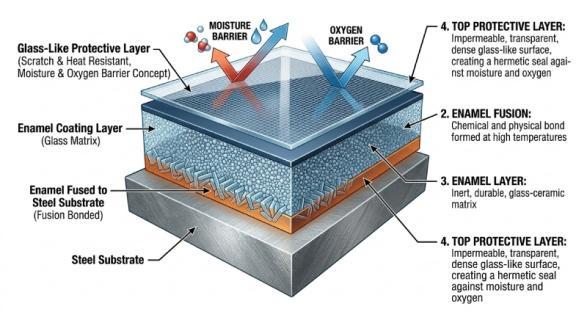
Enamel coating prevents rust and yellowing on gas stove panels by forming a durable, glass-like barrier that reduces contact with moisture, oxygen, and residues, keeping gas hobs cleaner for longer.
Short Answer
Enamel coating helps prevent rust and yellowing on gas stove panels by forming a durable, glass-like barrier that reduces direct contact between steel and moisture, oxygen, and residues. Its non-porous surface improves stain resistance and color stability under high heat, keeping gas hobs and stove surfaces cleaner for longer.
If you are researching enamel gas hobs, you are likely trying to solve one practical problem: how to prevent rust, yellow stains, and hard-to-clean surfaces over time. This guide explains how enamel coating works, why it protects gas stove panels, and what buyers should look for when sourcing enamel-coated products.
Key Takeaway
With extensive experience in kitchen appliance manufacturing, we have seen a common pattern: unprotected or poorly coated panels usually fail first at edges, burner openings, and scratched areas. A properly manufactured enamel coating helps reduce these risks by providing a more durable protective surface.
The enamel layer separates the steel substrate from moisture, oxygen, salt, and corrosive residues, significantly reducing the conditions that cause corrosion.
The smooth, non-porous surface reduces grease absorption, prevents stain penetration, and improves color stability under heat.
High-quality enamel panels help gas hobs maintain a cleaner appearance, stable colors, and easier maintenance, which can reduce surface-related complaints in residential and commercial projects.
Important limitation: Enamel coating is not completely maintenance-free. Performance depends on coating quality, edge coverage, surface protection, and correct cleaning methods.
Why Do Gas Stove Panels Rust and Turn Yellow Over Time?
Many users notice the same issue after several years of daily cooking. After a few years of daily cooking, the panel around the burners starts looking dull, then yellow, then rusty in places. Here is why it happens.
Why gas stove panels rust?
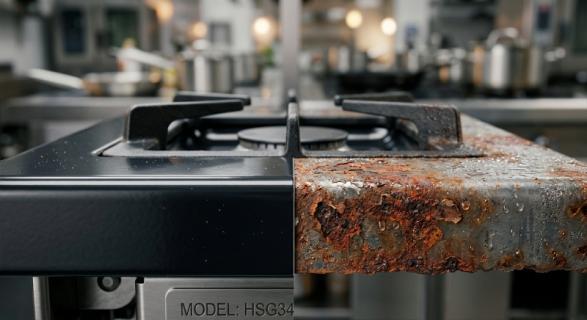
Corrosion is simple chemistry: moisture + oxygen + exposed metal = rust. On a gas stove panel the most vulnerable spots are the edges, burner openings, screw holes, and any area where the coating has been scratched. Once the steel substrate is exposed, moisture from cooking, cleaning water, or coastal environments can accelerate oxidation and gradually expand the damaged area. In many cases, rust does not stay localized—it can gradually spread from the damaged point if moisture continues to penetrate the surrounding area. Based on manufacturing and quality control experience, many rust-related complaints are linked to incomplete edge coverage, damaged coating areas, or impact damage during shipping and installation.
Why gas stove panels turn yellow?
Yellowing is usually not the metal changing color. It comes from grease accumulation, high-temperature carbonization of food residue, leftover cleaning chemicals, and gradual surface aging. Heat-treated grease and residue build-up create that stubborn yellow film. The metal itself rarely “yellows”; the deposits on top of it do. This is why switching materials alone does not eliminate yellowing if cleaning habits remain unchanged.
What Is Enamel Coating on a Gas Stove Panel?
Many people think enamel is just a decorative finish. It is far more than that.
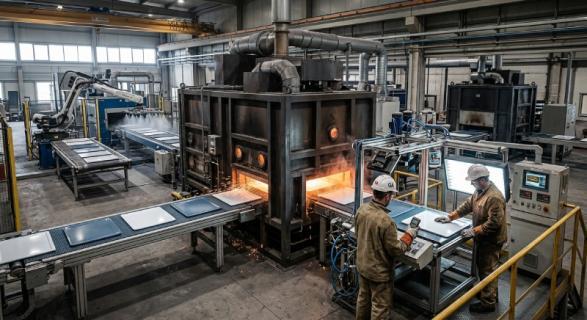
Enamel coating is a glass-like layer fused onto steel through high-temperature firing. Unlike ordinary paint that simply sits on the surface, enamel bonds chemically and mechanically with the metal substrate. The result is a non-porous surface that absorbs less grease, cleans more easily, and resists stains better. It also stays stable under the daily heat of cooking flames and high-temperature environments around gas burners. Unlike painted coatings that can degrade or peel over time, enamel forms a more stable and durable surface under repeated heat exposure.
When selecting gas hob materials, stainless steel remains another popular option, especially for commercial and professional kitchens. Understanding the differences between 304 and 201 stainless steel cooktops can help buyers make better purchasing decisions.
Different Enamel Structures Affect Durability
Not all enamel coatings provide the same level of protection. Industrial gas hob panels may use different enamel processes, including wet-process and dry-process enamel. Some manufacturers also apply multi-layer enamel systems, such as a base coat and cover coat, to improve adhesion, corrosion resistance, and surface durability.
Typical quality indicators include:
Multi-layer enamel (base coat + cover coat)
Uniform coating thickness
Full edge and cut-out coverage
Proper firing temperature control
These factors directly affect corrosion resistance, coating adhesion, and long-term appearance stability. For bulk buyers, coating consistency, edge coverage, and overall firing quality are often more important than appearance alone. In enamel-coated steel panel production, factors such as coating consistency, edge coverage, and proper firing temperature control determine long-term performance.
How Does Enamel Coating Prevent Gas Stove Panels from Rusting?
Creates a barrier against moisture and oxygen
The fused glass-like layer significantly reduces water contact, oxygen exposure, and salt penetration. Even in humid kitchens or coastal homes, the steel stays better protected as long as the coating remains intact.
Protects the steel substrate from corrosion
The real job of enamel is to keep corrosive agents away from the steel. By reducing oxidation pathways, it significantly lowers the risk of rust formation when the coating remains intact.
Suitable for humid and coastal environments
This makes enamel-coated gas hobs suitable for humid regions, coastal homes, rental properties, and projects where long-term appearance retention is important. Better corrosion resistance also means fewer warranty claims and lower replacement costs for distributors and project buyers.
Can Enamel Coating Prevent Gas Stove Panels from Turning Yellow?
Yes—within realistic limits.
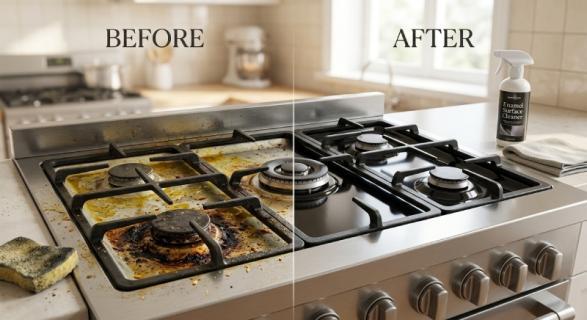
The smooth surface lowers grease adhesion. The non-porous structure keeps stains from sinking in. Heat resistance reduces the color changes that high temperatures can cause. Together these traits keep the panel looking fresher for longer and make everyday cleaning easier.
The advantage of enamel is not that it never gets dirty, but that the surface is easier to clean before stains become permanent. That said, enamel is not self-cleaning and not completely stain-proof. Long-term exposure to heavy oil and high heat can still leave carbonized marks if grease is left to bake on. Regular wiping remains essential.
Is Enamel Better Than Stainless Steel for Gas Stove Panels?

It depends on the priority. The comparison below highlights how enamel and stainless steel perform in real-world usage rather than just material properties.
| Factor | Enamel | Stainless Steel |
|---|---|---|
| Color stability | Excellent | Moderate (discoloration possible) |
| Stain resistance | High (non-porous surface) | Moderate (fingerprints, water marks) |
| Maintenance | Easy (mild cleaner) | Frequent wiping needed |
| Rust resistance | High (barrier protection) | Moderate (depends on grade) |
| Best for | Residential, villa projects | Commercial kitchens |
For buyers comparing materials, the decision often comes down to visual stability and maintenance effort rather than basic corrosion resistance. Stainless steel is not immune to staining—it simply shows it differently, often as fingerprints, water marks, or heat discoloration. Enamel usually wins on color stability, easy maintenance, and residential projects where a clean, consistent look matters. Stainless steel is often preferred for commercial kitchens that want the industrial metal aesthetic. For most home users and villa projects, enamel delivers better daily practicality.
What Are the Weak Points of Enamel Stove Panels?
Honesty builds trust. Enamel is not invincible. The performance of enamel depends heavily on manufacturing quality, not only the material itself. In practical use, edge areas and cut-outs are often the most critical points where coating quality determines long-term durability.
Scratches can expose the steel and start local rust.
Poor edge coverage lets moisture creep underneath.
Impact during transport or installation can chip the coating.
Low-quality manufacturing (uneven firing or weak adhesion) shortens lifespan.
B2B procurement checklist we always recommend: Check coating consistency, coating thickness control, edge finishing, adhesion test results, salt spray resistance, thermal shock performance, and packaging protection. These points separate reliable panels from future complaints.
How to Maintain an Enamel Gas Stove Panel for Long-Term Performance?
Easy-clean does not mean maintenance-free. Simple habits make a big difference:
Clean grease regularly after cooking to prevent long-term high-temperature carbonization.
Use a soft cloth and mild cleaner.
Avoid abrasive pads or harsh chemicals.
Remove acidic food residues quickly.
Using abrasive tools or leaving chemical residues on the surface can gradually damage the coating and reduce its protective performance. Follow these steps and a good enamel panel will stay looking presentable for years.
Is an Enamel Gas Stove a Good Choice for Homes and Commercial Projects?
Home users care about appearance, easy cleaning, and long-term durability. Enamel scores well on all three.
Villa and residential projects value premium looks, humidity resistance, and fewer homeowner complaints.
Wholesalers and distributors look for product differentiation, lower after-sales costs, and stable quality. A well-made enamel gas hob meets those needs when the supplier controls coating quality and packaging.
CHEFF supplies enamel gas hobs for residential projects, hospitality applications, and wholesale markets, focusing on consistent coating quality, reliable manufacturing, and long-term product performance.
FAQ: Enamel Gas Stove Panels and Coating Performance
Does enamel coating affect the performance of a gas stove?
The coating mainly improves surface durability. Actual cooking performance depends on burner design, gas system, and heat distribution—not the panel finish.
Can damaged enamel coating be repaired?
Minor chips sometimes receive professional touch-up treatment. Severe damage usually requires panel replacement for lasting results.
Does enamel coating crack under high heat?
Quality enamel coatings are designed to withstand normal cooking temperatures. Cracking is usually related to severe impact, thermal shock, or manufacturing defects rather than everyday cooking heat.
Does enamel coating chip easily?
High-quality enamel coatings are designed for durability, but like any hard surface, they can chip under strong impact. Proper packaging, handling, and installation play an important role in preventing damage.
How long can an enamel gas stove panel last?
Lifespan depends on coating quality, usage frequency, cleaning habits, and environment. High-quality panels with proper care commonly deliver many years of service.
What should wholesalers check before buying enamel gas hobs?
Review coating quality, independent test reports, packaging protection against impact, and the supplier’s production consistency. These factors directly affect return rates and brand reputation, and are key considerations for long-term business sustainability.
Conclusion
For wholesalers, distributors, and project buyers, choosing an enamel gas hob is not only about appearance. It is also about reducing maintenance issues, improving customer satisfaction, and creating long-term product value.
If you are evaluating gas hob materials for your market, understanding coating quality and real-world performance will help you choose a product that lasts longer and generates fewer after-sales issues.
If you are sourcing for a project or distribution, comparing coating quality and manufacturing details between suppliers can make a significant difference in long-term performance.
CHEFF focuses on enamel coating consistency, edge protection, and reliable manufacturing standards to support residential and commercial kitchen projects worldwide.