Is a Solid Plate Hob Still Worth Buying? Total Cost of Ownership and Best Markets in 2026
- Share
- publisher
- CHEFF
- Issue Time
- Sep 23,2026
Summary
Solid plate hobs still sell in 2026 because they are simple, robust and cheap to buy. This guide from CHEFF, a hob manufacturer in Foshan Shunde, China, breaks down the real total cost of ownership — purchase price, running cost, cookware tolerance, supply robustness and service profile — and compares it honestly with induction. Includes the markets and project types where solid plate still wins, where it does not, a specification checklist for importers, and FAQs.
Quick Answer
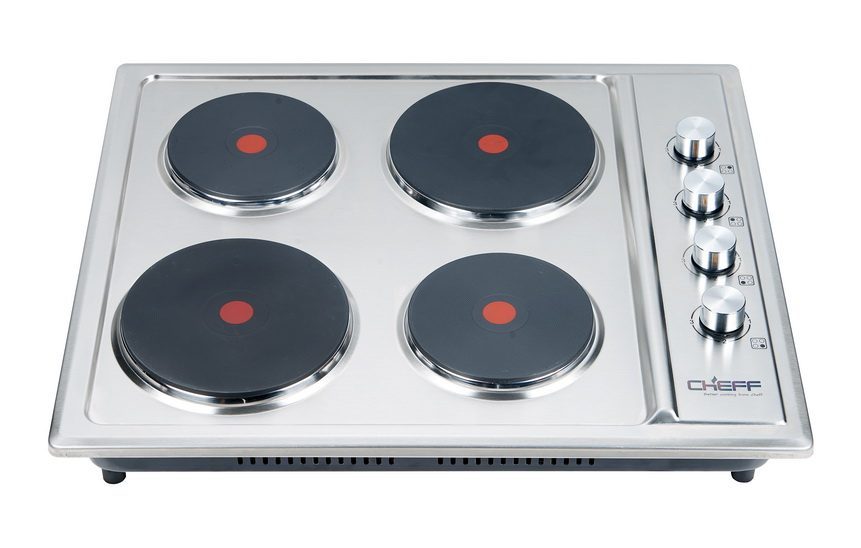
A solid plate hob is still worth buying for specific markets, but not as a premium product. Its purchase price is the lowest of any built-in electric hob, it works with any flat-bottomed pan, and its simple resistive elements tolerate unstable voltage far better than induction electronics. Against that, it is slower to heat, it is the least energy-efficient option in normal use, its surface stays hot for minutes after switching off, and low-power control is coarser than induction. In 2026 it makes sense as an entry-tier or replacement product in value-focused markets, rental and social housing, gas-dominant markets moving to their first electric hob, and anywhere the grid or the service network is unreliable. It does not make sense in a premium kitchen, a hospitality project or a market where induction cookware and a stable supply already exist.
What Exactly Is a Solid Plate Hob?
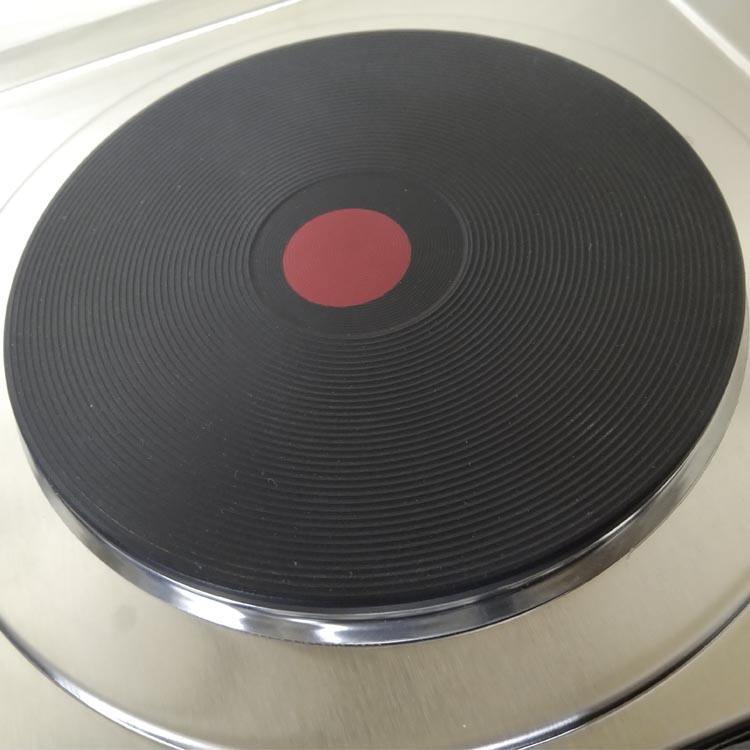
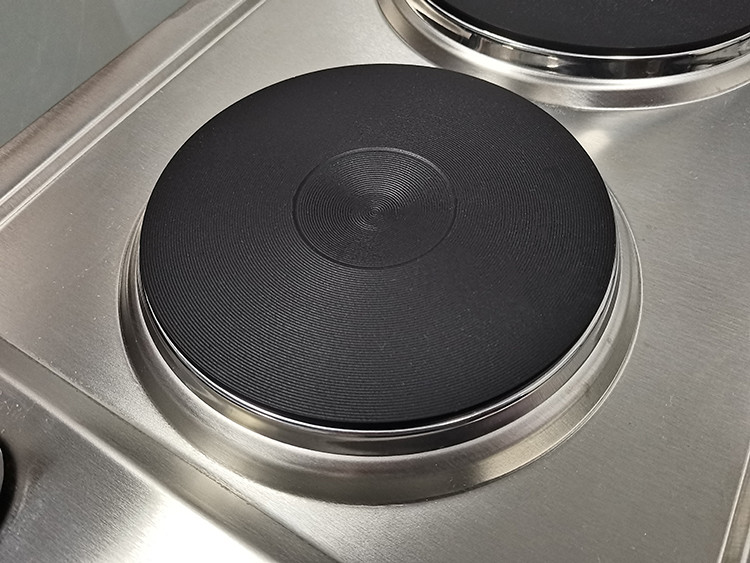
A solid plate hob — also sold as a solid hot plate, solid electric hob or cast-iron hotplate — is the oldest form of built-in electric cooking, and the least complicated. Each cooking zone is a heavy circular plate, traditionally cast iron, with a resistive heating element embedded in or clamped beneath it. The plate is exposed; there is no glass-ceramic panel over the top. Power is switched through a rotary knob with a fixed number of settings, usually six, and each zone runs independently.
That is the entire architecture. There is no inverter, no high-frequency switching, no electronic control board in the ordinary domestic versions, and no magnetic field. Heat reaches the pan by direct conduction through contact with the plate, plus a modest amount of radiation. Because the transfer is purely thermal, the material of the pan base is irrelevant: aluminium, stainless steel, copper, enamel and clay all work, provided the base is reasonably flat and makes contact with the plate.
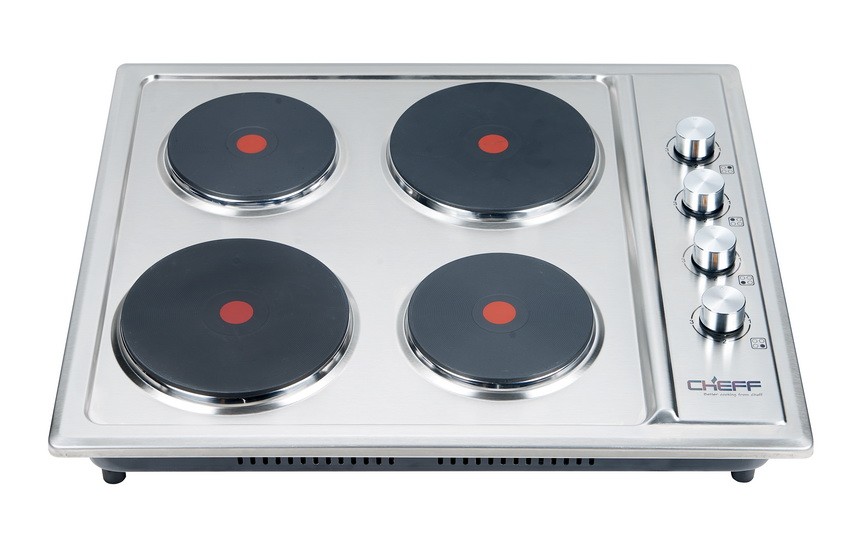
The versions CHEFF manufactures follow the same logic. Our 24 inch four-zone model uses 201 non-magnetic stainless steel for the body and metal knobs for control; our two-zone model measures 300×510×75 mm with a 150 mm and a 190 mm plate and a six-setting temperature control. These are appliances designed to be understood by any technician and repaired with basic tools.
Why Solid Plate Still Sells: The Engineering Case
It is easy to dismiss solid plate as obsolete technology. That judgement comes from looking only at cooking performance, and it misses why the product still moves in volume every year in export markets.
It is electrically simple. A resistive element plus a thermostat or energy regulator is about as robust as mains-powered heating gets. There is no power electronics to fail, no firmware to corrupt, no EMC filtering to design around. In markets where the mains supply sags below nominal for hours a day, a solid plate hob keeps working while an induction unit may refuse to start or repeatedly derate.
It is cookware-agnostic. An induction hob sold into a market where households cook in thin aluminium is a returned product waiting to happen. A solid plate hob has no cookware requirement at all beyond a flat base, which also makes it the natural first electric hob for a household converting from gas.
It is cheap to build and cheap to buy. The bill of materials is short, the parts are commodity items, and there is no costly glass-ceramic panel to break in transit or in the kitchen. For an importer building an opening price point, that matters more than a datasheet comparison.
It is diagnosable. A working plate is hot; a failed plate is cold; a switch clicks or it does not. In markets with thin after-sales networks, a product that a local technician can diagnose without a service manual has a real commercial advantage over a product that needs a board swap.
Manufacturer’s note: When importers ask us whether solid plate is “outdated”, we ask two questions instead: what pans do your customers own, and how stable is the supply where they live? Those two answers settle the technology choice more often than price does.
The Real Total Cost of Ownership
Total cost of ownership has four parts for a built-in hob, and the shelf price only reflects the first of them: what you pay, what it costs to run, what it costs to install, and what it costs to keep working. Solid plate wins decisively on the first and last, is neutral on installation, and loses on running cost. The balance tips differently depending on electricity price and how hard the hob is used.
| Cost element | Solid plate | Induction |
|---|---|---|
| Purchase price | Lowest of any built-in electric hob; short bill of materials | Highest; inverter, coils, EMC filtering and thermal design |
| Running cost | Highest; a share of the heat goes to the room, and the plate itself must heat first | Lowest; most of the energy drawn ends up in the pan |
| Cookware cost | None; existing pans can be used | Real; non-magnetic pans must be replaced or fitted with an induction disc |
| Installation cost | Standard cut-out; simple wiring; tolerates poor supply | Dedicated high-current circuit and ventilation discipline |
| Service cost | Element or switch; locally repairable without electronics skills | Control board and airflow-dependent; usually a board-level repair |
| Consumables | None in normal service | None in normal service |
The honest reading is this: solid plate has the lowest cost of acquisition and the most forgiving service profile, while induction has the lowest cost of operation. In a high-tariff market where the hob is used heavily every day, induction can repay its higher purchase price over the life of the appliance. In a low-tariff market, a rental property, or a household that cooks for twenty minutes a day, the running-cost advantage may never close the purchase-price gap. We have looked at that arithmetic in more detail in our earlier analysis of whether induction really reduces the total cost of ownership compared with solid plate.
Entry Tier Product
24 Inch Four-Zone Solid Hot Plate Hob — Stainless Steel, Knob Control
Four solid plates, 201 non-magnetic stainless steel body and metal knobs. Works with aluminium, stainless and copper cookware, with a simple repair path for markets with thin service networks.
Solid Plate vs Induction, Compared Honestly
These two products are not competitors in the same price tier, so the useful comparison is not “which is better” but “which does this job for this customer”. The table below reflects what we see on our own lines and in dealer feedback rather than laboratory best cases.
| Factor | Solid plate | Induction |
|---|---|---|
| Heat-up speed | Slow; plate and pan must heat together | Fastest; the pan base is the heating element |
| Power control | Coarse; a fixed number of settings, with thermal lag | Continuous and repeatable, down to low simmer levels |
| Surface temperature | Very hot, including when no pan is present; long cool-down | Cool where no pan sits; residual heat comes from the pan |
| Cookware | Any flat-bottomed pan | Magnetic base only |
| Supply tolerance | Good; simple resistive load copes with voltage sag | Poorer; electronics need a stable, adequate supply |
| Breakage risk | No glass panel; exposed plates survive rough handling | Glass-ceramic panel is the highest-risk item in transit |
| Typical positioning | Entry tier, replacement, rental and value projects | Premium residential, hospitality and project kitchens |
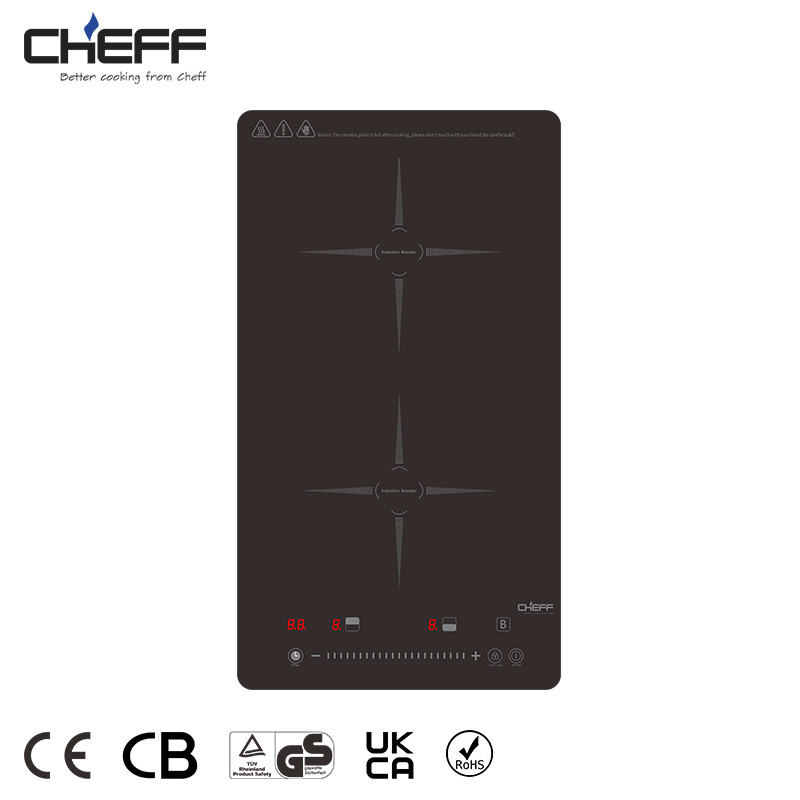
One comparison is worth stating plainly because it is often missed: the two technologies fail in different ways. Induction failures are usually electronic and require a board-level repair; solid plate failures are usually mechanical or thermal and can be resolved by a technician with basic parts. For a distributor deciding what to stock, the second profile is easier to support in a market with no authorised service centre.
Where Solid Plate Wins in 2026
The technology fits whenever purchase price, cookware tolerance and repairability outweigh running cost and cooking refinement. In practice that means six recurring situations.
| Situation | Why solid plate fits |
|---|---|
| Value-focused export markets | Lowest landed cost per unit and no cookware restriction, so it can anchor an opening price point. |
| Rental, social and student housing | Cheap to replace, difficult to damage, and simple for tenants and maintenance staff to operate. |
| Markets with unstable voltage | A resistive element and a mechanical control keep working through sustained undervoltage. |
| Gas-dominant markets adding electric | Households converting from gas already own pans with non-magnetic bases and expect visible heat. |
| Thin service networks | Faults are diagnosable locally without electronics skills or proprietary boards. |
| Replacement and after-market sales | Same cut-out discipline as other built-in hobs, so it drops into existing openings. |
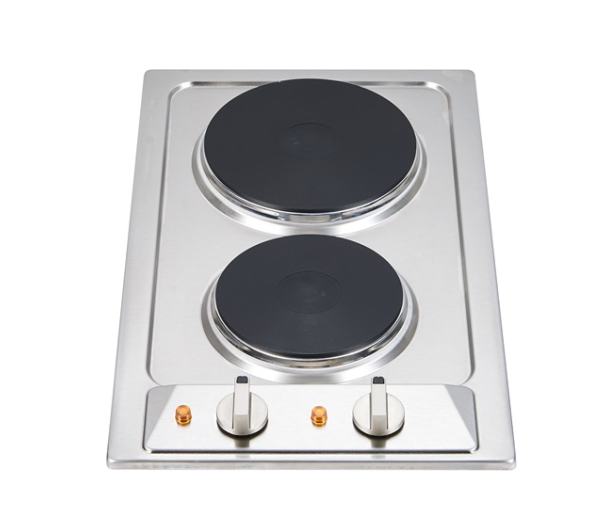
Zone count follows the same logic. A two-zone unit is a natural first purchase for an apartment or a small rental, while a four-zone unit suits a family household trading up from a portable hotplate. Both are available in our range with OEM branding and printed logo, packed in colour or brown boxes for retail or contract distribution.
Where It Falls Short
We manufacture and sell this product, and we would rather a buyer know its limits before placing an order than discover them in the returns report.
It is slow and imprecise. A solid plate must heat its own mass before the pan can heat, so cooking starts later and the thermal lag makes quick adjustments difficult. Six settings is not fine control, and holding a delicate simmer is genuinely harder than on induction.
It is inefficient in normal use. Energy radiated past the side of the pan and stored in the plate is lost to the kitchen. A pan smaller than the plate wastes noticeably more, and in hot climates that waste also becomes an air-conditioning load.
The surface is a burn risk. The plate is hot whenever the hob is on, whether or not a pan is present, and it stays hot for minutes after switching off. Older or cheaper models may lack a clear residual-heat warning, and the exposed plates can be awkward to clean, especially if spillage is left to bake on.
It reads as old technology at the point of sale. In a showroom next to induction, a solid plate hob looks and feels dated. That is a marketing fact, not an engineering one, but it limits the retail channels where the product can be positioned at full margin.
Installation and Electrical: What Buyers Get Wrong
Solid plate is the easiest built-in hob to install, which is exactly why installation errors go unnoticed until the first complaint. Three points decide whether the product performs as specified.
Cut-out and clearance. The hob still needs a properly dimensioned cut-out and an air gap beneath it. Heat from the plates conducts into the housing, so an opening that traps hot air will shorten the life of switches and wiring. The cut-out drawing should be shared with the countertop fabricator before templating, in exactly the same way as for a glass hob.
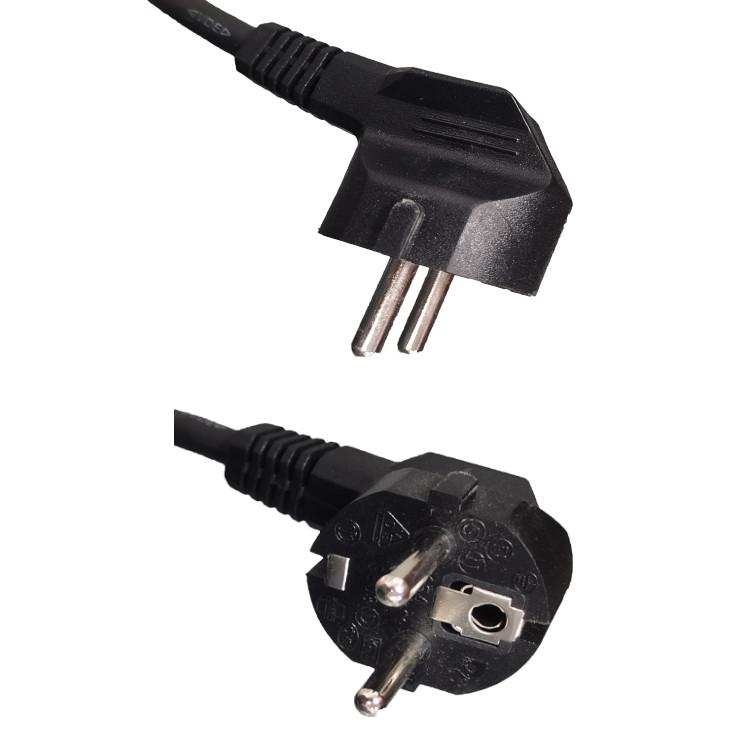
Circuit and cable rating. A four-plate hob draws a substantial current when several plates run together. The circuit must be sized for the total connected load, not for one plate, and the installer should confirm the voltage version matches the destination market. A simple appliance still needs a correct supply.
Housing material and earthing. The stainless steel body of a built-in solid plate hob should be earthed in accordance with local wiring rules, and the surface finish — 201 non-magnetic stainless steel in our entry models — should be specified clearly, because buyers sometimes assume 304 and are disappointed by the difference in corrosion resistance in humid coastal installations.
Manufacturer’s note: If a project is coastal or the kitchen is humid, ask your supplier to quote the higher-grade stainless finish rather than assuming the base specification will do. It is a small cost difference at the factory and a large difference in year three.
Compact Option
Two-Zone Built-in Solid Electric Hot Plate — 150 mm + 190 mm, Six-Setting Control
Compact 300×510 mm footprint for apartments, rentals and retrofit projects. Metal knobs, stainless steel body, OEM logo and retail packing available.
Specification Checklist for Importers
This is the list of questions we ask before quoting a solid plate programme. The answers decide the model, the price and the failure rate.
| Item | Why it decides the specification |
|---|---|
| Zone count and plate diameters | Drives the cut-out, the total load and the price point; typical combinations range from two plates up to four. |
| Destination voltage | Determines the heating element and switch specification, and the current the circuit must carry. |
| Control type | Rotary knob with fixed settings is the durable choice for value markets; confirm material and marking. |
| Body and finish grade | 201 non-magnetic stainless is standard at entry level; specify higher grade for humid or coastal projects. |
| Residual-heat indication | Decides how safely the product can be positioned in family housing. |
| Packing and branding | Colour box or brown box, printed or OEM logo; affects landed cost and retail fit. |
| Compliance evidence | Request the applicable test documentation for the destination in writing, not a verbal assurance. |
| Spare parts plan | Plates, switches and knobs should be available as service parts for the life of the product. |
A supplier who can answer all eight of these without hesitation is a supplier who has shipped the product before. A supplier who answers only the first two is quoting a catalogue, not a programme.
Frequently Asked Questions
Q1. Is a solid plate hob the same as a ceramic hob?
No. A solid plate hob has exposed cast-iron or steel plates with embedded resistive elements and no glass panel. A ceramic hob, whether infrared or halogen, uses a smooth glass-ceramic surface over a radiant element. Solid plate heats mainly by conduction through contact; ceramic heats by radiation through the glass.
Q2. What cookware can I use on a solid plate hob?
Any flat-bottomed pan, regardless of base material. Aluminium, stainless steel, copper, enamel and clay all work. The only requirement is a reasonably flat base that makes good contact with the plate, because conduction is the main heat path.
Q3. Is solid plate cheaper to run than induction?
No. Induction is more efficient because the heat is generated inside the pan, while a solid plate also heats its own mass and the surrounding air. Solid plate is cheaper to buy and cheaper to repair, but its running cost is higher for the same cooking task.
Q4. Why do solid plate hobs survive unstable electricity supplies better?
Because there is very little electronics in the power path. A resistive element and a mechanical or simple thermostat control tolerate sustained undervoltage, whereas an induction hob relies on a power inverter and control board that need a stable supply within specification.
Q5. Are solid plate hobs being phased out?
Not in practice. They have retreated from premium retail displays, but demand remains steady in value markets, rental and social housing, replacement sales, and regions with unstable grids or thin service networks. The product has a narrower role, not an expired one.
Q6. What sizes and zone counts are available?
CHEFF manufactures two-zone and four-zone built-in solid plate hobs. The two-zone model uses a 150 mm and a 190 mm plate in a 300×510×75 mm body with six-setting control; the four-zone model is a 24 inch stainless steel hob with metal knobs. Zone layout and branding can be configured for OEM programmes.
Q7. If my market already uses induction cookware, should I still stock solid plate?
Usually only as a narrow entry tier or a replacement item. If customers already own induction-ready pans and the supply is stable, induction is the better product on running cost, control and safety, and solid plate adds little to the range beyond its price point.
Conclusion: Price Is Not the Same as Cost
Solid plate hobs remain worth buying in 2026, but for narrower reasons than a price list suggests. They win where the grid is unreliable, the cookware is aluminium, the service network is thin and the buyer is price-driven — and they lose wherever a stable supply, induction-ready pans and a premium retail environment already exist. Judged on total cost of ownership rather than shelf price, the answer depends less on the appliance and more on the market it is going into.
CHEFF is a kitchen appliance manufacturer in Foshan Shunde, Guangdong, China. We build solid plate hobs, induction cooktops, infrared ceramic hobs, built-in and table-top gas hobs and commercial cooking appliances, with OEM and ODM support covering zone layout, control configuration, panel design, logo and packing. Appliances are function- and safety-tested at our plant before shipment, and we would rather tell an importer that solid plate is the right answer for one market and the wrong answer for another than sell the same catalogue everywhere. If you are planning an electric hob programme, send us the destination market, the prevailing cookware and the target retail price, and we will tell you honestly where solid plate fits.
Deciding Whether Solid Plate Fits Your Market?
Tell CHEFF’s engineers the destination, the target retail price and the cookware your customers already use. We reply with a technology recommendation and a configuration, not just a quotation.