Sintered Stone Gas Hob: Pros and Cons of Modern Kitchen Solutions
- Share
- publisher
- CHEFF
- Issue Time
- Jan 21,2026
Summary
This article covers gas hob integration with sintered stone countertops, highlighting durability, heat resistance, hygiene, and easy maintenance for modern kitchens.
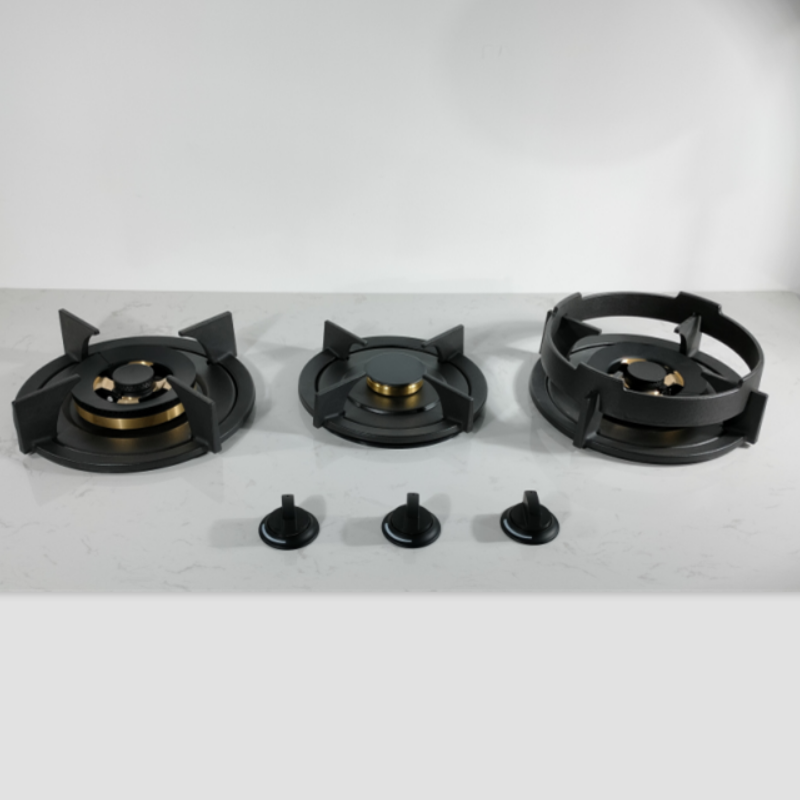
As someone constantly seeking to blend aesthetics with functionality in my home, I've been fascinated by the evolution of kitchen technology. The rise of sintered stone countertops, known for their durability and sleek appearance, has naturally led to questions about how traditional cooking methods, like gas hobs, integrate with these modern surfaces.
This blog post aims to explore the exciting possibilities and potential challenges of pairing a gas hob with a beautiful sintered stone countertop, helping us decide if this combination is the right fit for our dream kitchens. We'll delve into the advantages and disadvantages, considering both the practicality and the aesthetics of these modern kitchen solutions.
Key Takeaways
For those in a hurry, here’s a snapshot of what you need to know about sintered stone gas hobs:
What is a Sintered Stone Gas Hob? It's not a single appliance but a combination: a gas cooktop installed into a sintered stone countertop. This setup aims to merge the raw power and control of gas cooking with the ultra-modern, durable, and seamless look of sintered stone. This pairing is especially popular in high-end kitchens, such as those in luxury villas, where both performance and aesthetics are paramount.
Core Advantages:
- Unmatched Aesthetics: The primary draw is the seamless, minimalist look. Sintered stone allows gas burners to be integrated directly into the surface, creating a flush or near-flush appearance that feels both futuristic and elegant.
- Exceptional Heat Resistance: Sintered stone is manufactured at temperatures exceeding 1200°C (2192°F). This means hot pots and pans, and the heat from gas burners, won't scorch or discolor the surface, unlike materials such as quartz which can be damaged at much lower temperatures.
- Superior Durability & Hygiene: The material is incredibly hard, making it resistant to scratches from knives or cookware. Furthermore, its non-porous nature means it doesn't harbor bacteria, mold, or mildew and won't stain from spills like wine or coffee, making it exceptionally hygienic and easy to clean.
- Classic Cooking Performance: Gas hobs offer instant heat and precise, visual control over the flame, a feature cherished by many professional chefs and passionate home cooks.
Significant Disadvantages & Considerations:
- High Cost: This is a premium solution. Both the sintered stone material and the specialized gas hob units (like those from PITT) are expensive. Professional installation, which is non-negotiable, adds significantly to the overall cost.
- Complex Installation: Installing a gas hob into sintered stone is a job for certified experts only. The stone is rigid and can crack if not handled or cut correctly. Proper sealing around the burners and ensuring correct ventilation are critical for safety and performance.
- Potential for Impact Damage: While highly resistant to scratches and heat, sintered stone's main vulnerability is to sharp, heavy impacts. Dropping a heavy object on an edge or corner could cause it to chip or crack, and repairs can be difficult and costly.
- Ventilation is Crucial: As with any gas appliance, proper ventilation is a key safety requirement. This often means installing a powerful overhead range hood or a downdraft system, which needs to be factored into the kitchen design and budget.
Who is this for? The sintered stone gas hob is ideal for homeowners who prioritize a high-end, minimalist aesthetic and are willing to invest in a durable, long-lasting kitchen centerpiece. It is perfect for those who love the control of gas cooking but desire a more modern and integrated alternative to traditional stainless steel cooktops. It's a statement piece that combines the best of two worlds, but it requires careful planning and a significant budget to execute correctly.
Understanding Sintered Stone: The Foundation for Your Sintered Stone Gas Hob
Before diving into the specifics of integrating a gas hob, it’s essential to understand the material that makes this modern kitchen solution possible. Sintered stone is not just another countertop option; it’s an advanced, engineered surface with unique properties that set it apart.
What Exactly is Sintered Stone?
Sintered stone is a synthetic surfacing material made entirely from a blend of natural minerals. The composition typically includes minerals like quartz and feldspar, which provide strength and stability, along with other natural elements sourced from granite or glass. These raw, powdered minerals are subjected to an advanced manufacturing process called "sintering," which mimics the natural formation of stone deep within the Earth's crust over thousands of years but accomplishes it in a matter of hours.
The process involves two key stages:
- Extreme Compression: The mineral mixture is compacted under immense pressure, often exceeding 400 bars. This forces the particles into a dense, compact slab.
- Intense Heat: The compressed slab is then passed through a kiln and fired at temperatures above 1200°C (2192°F).
This intense heat and pressure cause the mineral particles to fuse, or "sinter," into a solid, incredibly dense mass without the need for any resins or binders. The result is an ultra-compact, non-porous surface that is harder and more resilient than many natural stones.
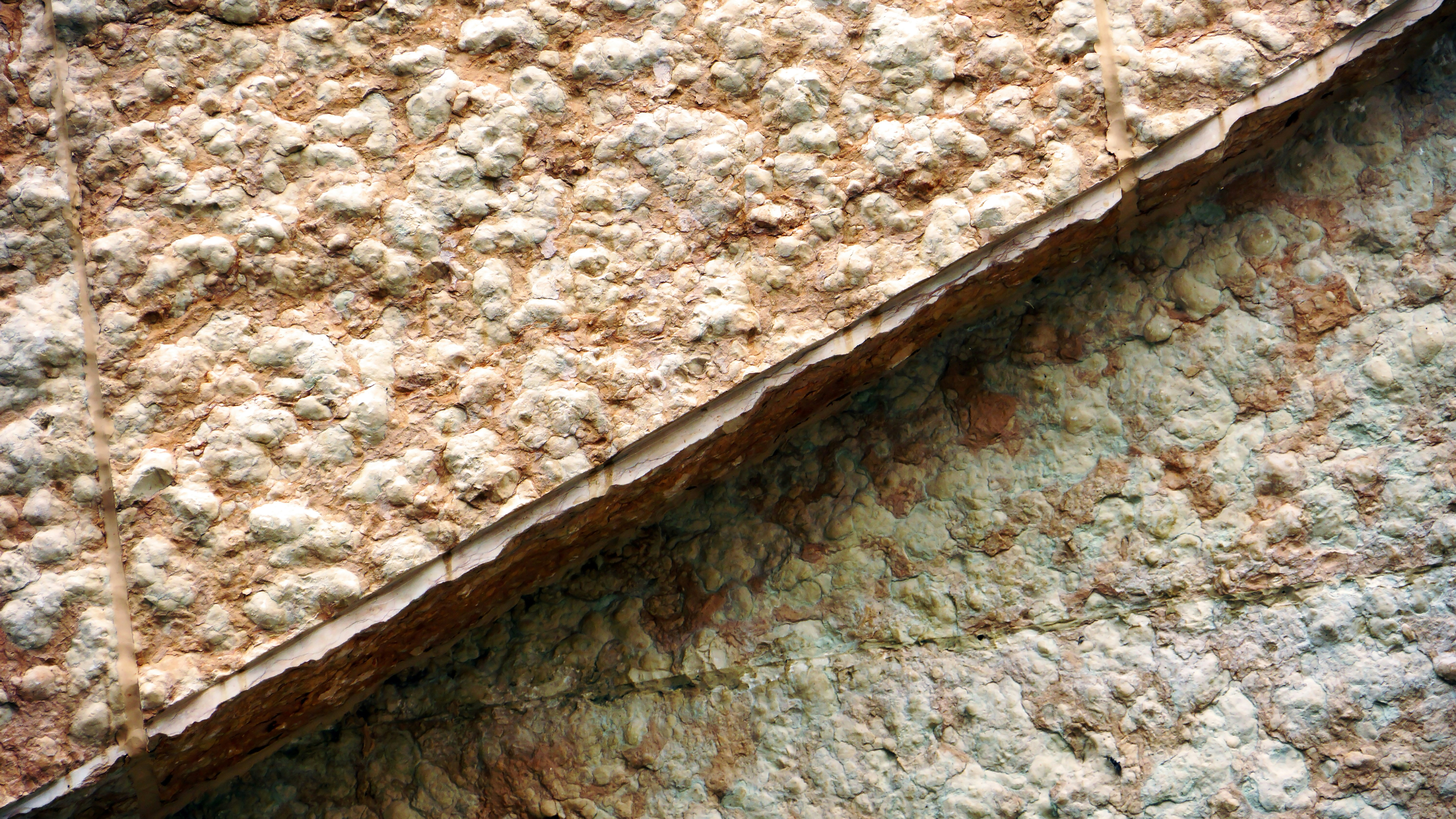 A close-up shot of a sintered stone slab, showcasing its uniform texture and non-porous finish.
Why Sintered Stone is a Popular Choice for Kitchens
The unique manufacturing process of sintered stone gives it a combination of properties that make it an increasingly popular choice for demanding environments like kitchens. Homeowners and designers are drawn to it for its blend of durability, hygiene, and aesthetic flexibility.
Exceptional Durability and Heat Resistance for Sintered Stone Gas Hob Setups
One of the most significant advantages of sintered stone in a kitchen setting is its remarkable durability. Its high-density structure makes it highly resistant to scratches and abrasion; you can even use knives on its surface, though using a cutting board is always recommended.
Crucially for a gas hob setup, its heat resistance is outstanding. Because it is formed at such high temperatures, sintered stone can withstand direct contact with hot cookware without scorching, burning, or discoloring. Some tests show it can handle temperatures up to 1200°C without damage. This makes it a far safer and more resilient choice around open flames compared to other materials like quartz, which contains resins that can burn or yellow at temperatures as low as 150°C. This superior thermal stability is a key reason why sintered stone is an ideal foundation for integrated gas burners.
Low Maintenance and Hygienic Properties
Sintered stone is exceptionally easy to maintain. Its surface is non-porous, which means it has an extremely low absorption rate. This prevents liquids like red wine, coffee, or oil from penetrating the surface and causing stains. Spills can be wiped away easily with a damp cloth and mild soap, leaving no trace behind.
This non-porous quality also makes sintered stone an incredibly hygienic surface for food preparation. There are no tiny pores where bacteria, mold, or other pathogens can grow, ensuring a safer kitchen environment. Unlike natural stones such as granite or marble, sintered stone does not require any sealing to maintain its resistance to stains and moisture, making it a truly low-maintenance solution for a busy kitchen.
The Appeal of Gas Hobs: A Classic Cooking Experience on Sintered Stone
While modern cooking technologies like induction have gained popularity, many seasoned chefs and passionate home cooks remain loyal to gas. The open flame offers a visceral, intuitive cooking experience that is hard to replicate. When paired with an advanced material like sintered stone, the classic gas hob is elevated to a new level of performance and style.
Instant Heat and Precise Control: Benefits for a Sintered Stone Gas Hob
The primary advantage of a gas hob is its responsiveness. Unlike electric cooktops that need time to heat up and cool down, gas provides instant heat the moment it's ignited. This immediacy allows for precise temperature adjustments on the fly, a crucial factor when searing, simmering delicate sauces, or executing cooking techniques that require rapid changes in heat.
The visible flame provides direct visual feedback, allowing the cook to gauge and control the heat level with unparalleled accuracy. You can instantly go from a rolling boil to a gentle simmer with a simple turn of the knob. This level of control is what gives many cooks the confidence to tackle a wide range of culinary challenges, from high-heat wok cooking to gently melting chocolate. This classic functionality remains a powerful draw, even in the most modern of kitchens.
Diverse Styles and Designs to Complement a Sintered Stone Gas Hob
Gas hobs are no longer limited to bulky, traditional stainless steel units. Today's market offers a vast array of designs that can complement a sleek sintered stone countertop perfectly. For a truly minimalist and integrated look, high-end brands like PITT cooking have pioneered systems where individual burners are installed directly into the countertop. This creates a stunning, seamless surface where the burners appear to emerge directly from the stone.
Other modern designs include:
- Gas-on-Glass Cooktops: These feature burners mounted on a sheet of black or white ceramic glass, offering a sleek, easy-to-clean surface that blends well with dark or light sintered stone patterns.
- Professional-Style Rangetops: For those who want a bold, industrial look, professional-style cooktops offer powerful burners, robust cast-iron grates, and stainless-steel finishes that create a striking contrast with the elegance of sintered stone.
- Customizable Burner Layouts: Many manufacturers, including specialized OEM and ODM providers like the Chinese company CHEFF, offer flexible burner configurations. This allows homeowners to design a layout that suits their specific cooking style, whether they need high-powered wok burners, smaller simmer burners, or a combination of different sizes. This level of customization ensures that the gas hob is not only functional but also a true design element in the kitchen.
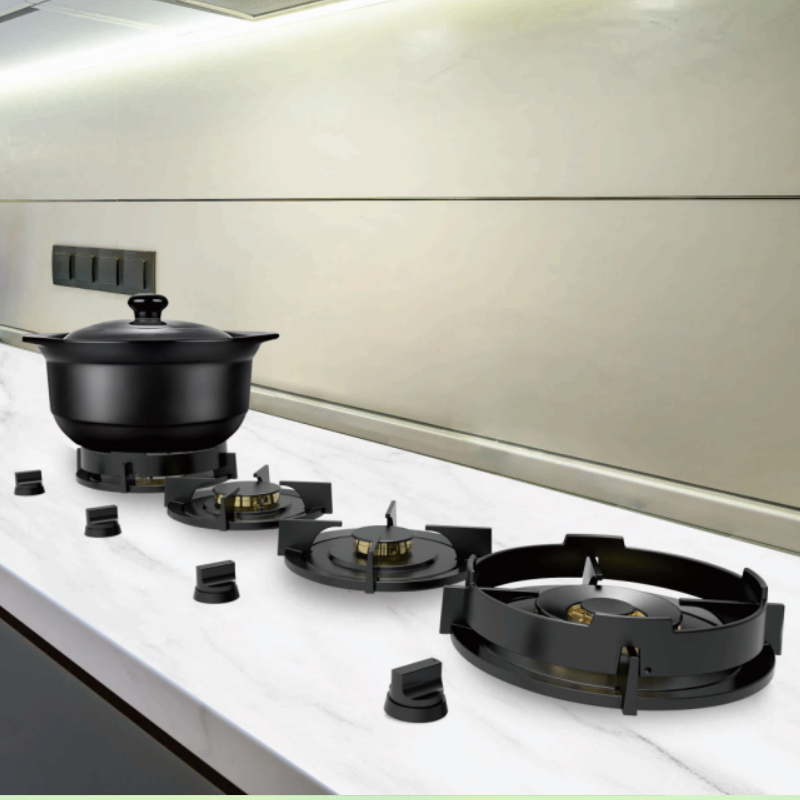 A luxury kitchen featuring integrated gas burners on a sintered stone countertop.
Integrating Your Sintered Stone Gas Hob: Installation and Compatibility
Successfully combining a gas hob with a sintered stone countertop hinges on two critical factors: proper installation and material compatibility. While the end result is a beautiful and high-performing cooking area, achieving it requires careful planning and professional execution.
Installation Requirements for a Sintered Stone Gas Hob
Installing a gas hob into a sintered stone countertop is not a DIY project. Sintered stone is incredibly hard, but it can also be brittle and prone to cracking if not handled or cut correctly. It requires specialized tools, such as water-jet cutters or diamond blades, and expertise to create the precise cutouts for the hob.
Key installation steps include:
- Professional Measurement and Cutting: The fabricator must create a precise template based on the specific gas hob model. The cutout needs to be perfectly sized and have smoothed, slightly radiused edges to minimize stress points that could lead to cracks.
- Adequate Support: The cabinetry beneath the countertop must provide a perfectly level and robust support structure. Any unevenness can put stress on the sintered stone slab, increasing the risk of cracking over time.
- Connecting Gas and Electrical: A certified gasfitter is required to safely connect the gas line to the hob. An electrician may also be needed to wire the electronic ignition system.
- Sealing and Securing: Once the hob is placed in the cutout, a proper seal must be applied around the perimeter to prevent liquids and debris from getting underneath. The hob is then secured to the countertop from below using brackets to ensure it doesn't wobble.
It's vital to consult and follow the installation guidelines provided by both the sintered stone manufacturer and the gas hob manufacturer to ensure safety and warranty compliance.
Understanding Material Compatibility: Not All Surfaces Are Created Equal
When it comes to installing a gas hob, the choice of countertop material is paramount due to the heat generated by the open flames.
Sintered Stone vs. Quartz: This is where sintered stone truly shines. Sintered stone is virtually impervious to heat because it contains no resins and is formed at extremely high temperatures. You can place a hot pan directly on it without fear of scorching or discoloration. In contrast, quartz countertops contain resin binders (typically 7-10% of their composition) that can melt, burn, or yellow when exposed to temperatures above 150°C (300°F). This makes sintered stone a vastly superior and safer choice for any gas hob application.
Sintered Stone vs. Granite: Natural granite is also highly heat-resistant and can be used with gas cooktops. However, granite is porous and requires regular sealing to prevent stains and bacterial growth. Sintered stone, being non-porous, offers the same heat resistance without this long-term maintenance burden.
Furthermore, safety codes often dictate minimum clearance distances between the edge of a gas burner and any adjacent vertical surfaces, such as a splashback. For some engineered stones, this distance can be as much as 200mm. Because sintered stone is considered non-combustible, it often allows for more flexible and integrated designs, although installers must always adhere to local building codes and the appliance manufacturer's specifications.
 A comparative chart illustrating material performance under heat.
Pros of a Sintered Stone Gas Hob: Modern Performance Meets Classic Cooking
Combining the timeless appeal of cooking with gas and the cutting-edge technology of sintered stone creates a kitchen setup that offers a host of compelling advantages. This pairing elevates not only the aesthetic of the space but also the entire cooking and maintenance experience.
Aesthetic Harmony and Seamless Design with a Sintered Stone Gas Hob
The most striking benefit of a sintered stone gas hob is the visual elegance it brings to the kitchen. By integrating gas burners directly into a large, continuous slab of sintered stone, you can achieve a level of minimalism that is impossible with traditional cooktops. This creates a sculptural, unbroken surface that makes the cooking area feel more spacious and intentional.
Key aesthetic advantages include:
- Seamless Integration: With no bulky frame or raised edges, the burners blend directly into the countertop, blurring the line between appliance and surface.
- Cohesive Look: Using the same sintered stone for the countertop and the splashback enhances this seamless effect, creating a cohesive and luxurious design.
- Versatile Style Matching: Sintered stone is available in countless colors, patterns, and finishes, from convincing marble look-alikes to industrial concrete textures. This allows for perfect pairing with any cabinet style, flooring, or appliance finish, bringing a sense of harmony to the entire kitchen.
Enhanced Cooking Experience and Performance
The combination of gas and sintered stone can also enhance the act of cooking itself. The raw power and control of a gas flame, combined with the unique properties of the stone, create a superior cooking environment.
- Radiant Heat: The stone surface around the burners absorbs and radiates heat, which can help cook food more evenly and keep dishes warm. This radiant heat provides a consistent cooking surface that reduces the risk of burning or charring.
- Durable Work Surface: The area around the burners becomes a functional, heatproof workspace. You can move hot pots and pans off the flame and place them directly on the countertop without worrying about damage. This provides a level of convenience and efficiency highly valued in a busy kitchen. The scratch-resistant nature of the stone also means you can be less delicate with heavy cookware.
- Flavor Enhancement: The quick searing and high heat possible with gas helps lock in the natural juices and flavors of meats and vegetables, resulting in tender, flavorful dishes that are hard to replicate with other cooking methods.
Ease of Cleaning and Maintenance for Your Sintered Stone Gas Hob
One of the most practical benefits of this setup is how easy it is to clean. Kitchen cleanup is simplified dramatically thanks to the joint-free, non-porous surface of sintered stone.
- No Grout or Seams: Unlike tile, there are no grout lines to stain or trap food particles. And unlike traditional cooktops, there are no crevices between the hob and the counter where grease and crumbs can accumulate.
- Effortless Wipe-Downs: Because sintered stone is non-porous, spills and splatters don't seep in. Most messes, including grease, wine, or acidic sauces, can be wiped away with just a soft cloth and a mild, pH-neutral cleaner.
- Hygienic Surface: The inability of bacteria or mold to penetrate the surface makes it one of the most hygienic options available for a kitchen.
- Removable Burner Components: Most integrated gas hobs feature removable burner caps and grates that can be soaked and cleaned separately. For day-to-day cleaning, a simple wipe around the burners is all that's required to keep the countertop looking pristine.
This combination of aesthetic sophistication, cooking performance, and low-maintenance functionality makes the sintered stone gas hob a truly modern solution for discerning homeowners.
Cons and Considerations for Your Sintered Stone Gas Hob Setup
While the combination of a sintered stone countertop and a gas hob offers a stunning aesthetic and excellent performance, it is a high-end solution that comes with its own set of challenges and considerations. Before committing, it's crucial to be aware of the potential downsides, from material vulnerabilities to safety and cost implications.
Potential for Damage: Heat and Impact Concerns
Heat Resistance: Sintered stone is exceptionally resistant to heat, and under normal cooking conditions, the flames from a gas hob will not cause any damage. It can withstand temperatures far higher than those produced during everyday cooking without scorching or discoloration. In fact, many manufacturers confirm its ability to handle temperatures over 300°C (572°F) with no visible change. However, it's important to remember that "heat-resistant" is not the same as "heat-proof." Extremely high, prolonged, and concentrated heat can still potentially cause thermal stress, although this is rare in a residential kitchen setting.
Impact Vulnerability: The more significant concern with sintered stone is its reaction to impact. While incredibly hard and difficult to scratch, its rigidity can also make it brittle. A sharp, heavy blow, such as dropping a cast-iron skillet on an edge or corner, can cause it to chip or even crack. While the main surface is very durable, the edges are the most vulnerable points. Repairs for such damage can be difficult and expensive, sometimes requiring the replacement of the entire slab to maintain a seamless look.
Ventilation and Safety Aspects of a Sintered Stone Gas Hob
Proper ventilation is a non-negotiable safety requirement for any gas appliance, including an integrated hob.
- Combustion Byproducts: Burning gas produces byproducts, including carbon monoxide, nitrogen oxides, and moisture, which must be safely expelled from the home. Inadequate ventilation can lead to a buildup of these harmful gases, posing serious health risks.
- Ventilation Requirements: Local building codes and appliance manufacturer guidelines mandate specific ventilation solutions. This typically means installing a powerful range hood above the cooking area or a downdraft ventilation system that pulls air downwards. The cabinet housing the hob must also have adequate ventilation openings (e.g., at least 100cm²) to ensure proper air supply for combustion and to prevent gas from accumulating in case of a small leak.
- Professional Checks: Gas hob installations must be carried out by a Gas Safe registered engineer (or equivalent certified professional in your region). They are legally qualified to ensure gas connections are secure, prevent leaks, and verify that all safety features, such as flame supervision devices (which automatically cut off gas if the flame goes out), are functioning correctly.
Cost Implications and Professional Installation Needs
The sleek, minimalist look of a sintered stone gas hob comes at a significant price. This is a luxury kitchen feature with costs that can add up quickly.
- Material and Appliance Cost: Sintered stone itself is a premium material, often priced higher than many types of granite and quartz. The specialized, integrated gas burners are also high-end products.
- Professional Installation: This is where costs can escalate significantly. You will need to hire multiple specialists:
- A certified stone fabricator with experience in sintered stone to handle the delicate cutting and installation of the countertop.
- A licensed gasfitter or plumber to connect the gas line safely and legally.
- Possibly an electrician to wire the hob's ignition system.
- Overall Project Cost: When factoring in the material, the hob itself, and the labor from multiple trades, the total cost for installing a gas cooktop can range from several hundred to over $3,500, depending on the complexity, location, and whether a new gas line is required. Because of the specialized nature of sintered stone, expect costs to be at the higher end of this spectrum. Attempting a DIY installation to save money is not an option, as it is both dangerous and will likely void all warranties.
Frequently Asked Questions (FAQs)
To help you make a fully informed decision, we've compiled answers to some of the most common questions about sintered stone gas hobs.
1. Is sintered stone truly heatproof around a gas hob?
Sintered stone is exceptionally heat-resistant due to its manufacturing process, which involves firing at temperatures over 1200°C (2192°F). This makes it perfectly suitable for use around gas hobs, as it will not scorch, melt, or discolor from the direct heat of the burners under normal cooking conditions. However, it's still recommended to use trivets for extremely hot cookware (e.g., a pan straight from a very hot oven) to avoid any potential for thermal shock, which in rare cases could cause micro-fractures.
2. How do you clean a sintered stone surface with integrated gas burners?
Cleaning is one of the major advantages of this setup.
- For the Sintered Stone Surface: Thanks to its non-porous nature, most spills can be wiped away with a soft, damp cloth and a mild, pH-neutral detergent. For tougher stains like dried-on food or grease, a paste of baking soda and water or an appropriate non-abrasive cleaner can be used. It's crucial to avoid harsh, abrasive cleaners or steel wool pads, which could dull the surface finish.
- For the Burners: The burner grates and caps can typically be removed for easier cleaning. These can be soaked in warm, soapy water. The area around the burner housing on the countertop can be wiped clean once the parts are removed. Ensure all components are completely dry before reassembling them.
3. What is the cost difference between a sintered stone and a quartz countertop for a gas hob setup?
Generally, sintered stone is the more expensive option for several reasons.
- Material Cost: Sintered stone often has a higher price per square foot than most standard quartz options.
- Fabrication and Installation: The cost of installation for sintered stone is significantly higher. It is an extremely hard and unforgiving material to cut and requires specialized equipment (like diamond blades or water jets) and highly skilled fabricators. Any errors during cutting can be costly. Quartz, being more common, has a larger pool of qualified installers, which helps keep labor costs more competitive. While quartz is cheaper initially, it's important to remember it is not recommended for direct use with high-heat gas hobs due to its resin content, making sintered stone a better long-term investment for this specific application.
4. Can you cut directly on a sintered stone countertop?
While sintered stone is extremely hard and scratch-resistant, it is not scratch-proof. Chopping directly on the surface is unlikely to damage the stone with typical kitchen knives, but it's not a recommended practice. Very hard materials, like ceramic knives, could potentially scratch the surface. More importantly, cutting directly on the stone will dull your knives very quickly. Therefore, it is always best to use a cutting board for all food preparation.
5. What safety certifications are required for a gas hob?
Gas hobs must comply with strict safety regulations to be legally sold and installed. In Europe, for instance, they must meet the requirements of the Gas Appliances Regulation (GAR) (EU) 2016/426 and carry a CE mark. In North America, they are certified by bodies like the CSA Group or carry an ETL Listed Mark. These certifications ensure the appliance has passed rigorous tests for gas leaks, combustion safety, flame stability, and proper operation of safety devices like flame supervision technology. All installation work must be performed by a certified gas professional to ensure compliance and safety.
Conclusion
Ultimately, marrying a gas hob with a sintered stone countertop presents a compelling option for those of us who appreciate both cutting-edge design and the visceral experience of cooking with an open flame. The benefits of durability, aesthetics, and precise control are significant. The seamless, modern look is unparalleled, and the material's resilience to heat and stains makes it a practical powerhouse for a busy kitchen.
However, careful consideration of installation requirements, potential risks, and long-term maintenance is crucial. The high upfront cost, the need for specialized professional installation, and the material's vulnerability to sharp impacts are important factors to weigh. By weighing these pros and cons, we can make an informed decision and create a kitchen space that is as functional as it is beautiful, truly making our sintered stone gas hob the heart of our modern home.
If you are a professional in the appliance industry looking to source high-quality, customizable gas hobs for projects like these, working with an experienced OEM/ODM manufacturer is key. For more information on tailored solutions, you can get contact from us for partnership inquiries.
We hope this detailed guide has been helpful! What are your thoughts on this kitchen trend? Share your opinions or questions in the comments below—we’d love to hear from you. Don't forget to share this article with anyone considering a kitchen renovation