Gas Cooktop Smells Like Gas? Common Causes, Leak Detection & Safety Guide
- Share
- publisher
- CHEFF
- Issue Time
- Jul 29,2026
Summary
Gas cooktop smells like gas? This guide covers leak checks, connection issues, LPG/NG conversion, bubble tests, and ways to reduce after-sales risks.
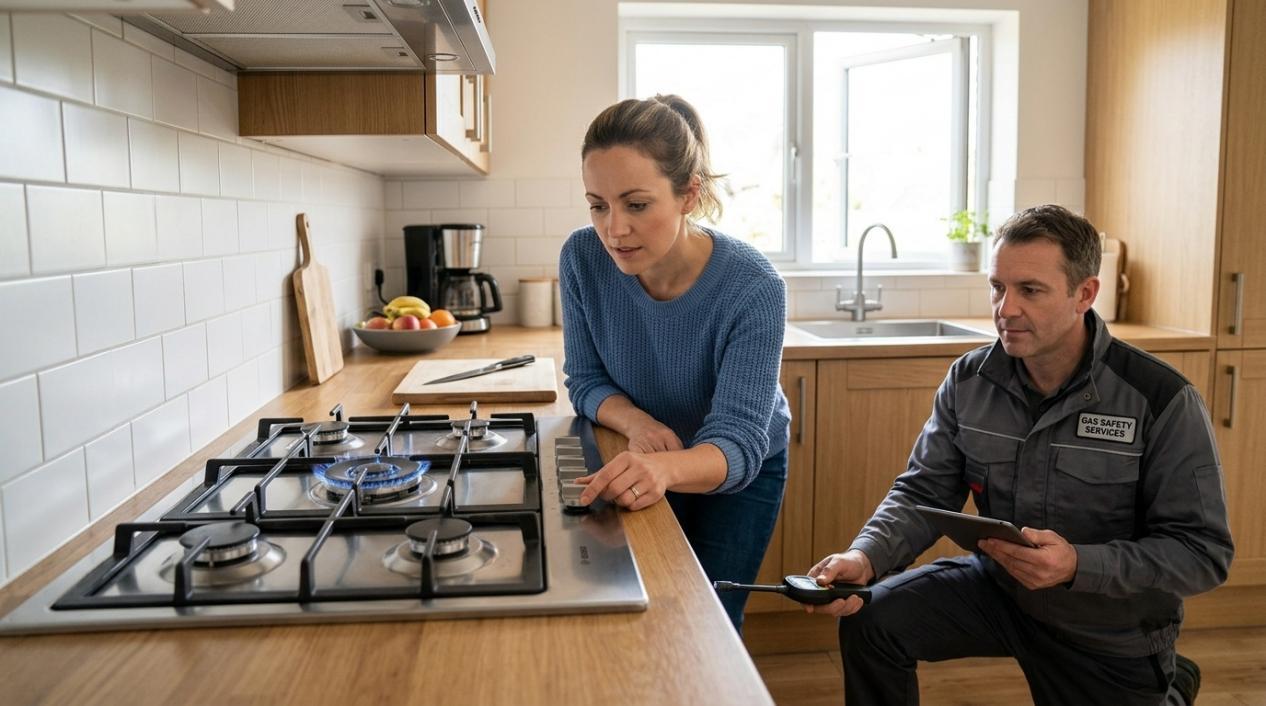
If your gas cooktop smells like gas, stop using the appliance, avoid flames or electrical switches, ventilate the area, and shut off the gas supply only if it can be done safely. While a brief smell during ignition can be normal, persistent odors may indicate issues such as loose gas connections, improper installation, damaged valves, or incorrect LPG/NG conversion.
This situation can immediately raise safety concerns. However, the cause may range from a normal ignition odor to a potential gas leak related to installation issues, damaged components, or incorrect gas configuration. In my ten years working in the kitchen appliance industry, I have seen this concern many times—from homeowners worried about safety to distributors dealing with after-sales complaints. This guide explains why you might smell gas, how to determine whether it indicates a real problem, how to approach inspections safely, and how manufacturers reduce these risks through product design and quality control. Understanding the difference between a temporary ignition odor and a real gas leak is especially important for both users and appliance suppliers.
Is It Normal to Smell Gas from a Cooktop?
Not every gas smell indicates a leak. The key difference is whether the odor is brief and disappears after ignition or continues when the appliance is operating or turned off.
A brief gas smell during ignition can be normal in many situations. When you turn the control knob, a small amount of unburned gas reaches the burner before the spark or flame lights it. Once the flame stabilizes, that smell should disappear within a few seconds. This may be more noticeable in kitchens with limited airflow.
| Situation | Usually Normal | What It Means |
|---|---|---|
| Brief odor immediately before ignition | Often normal | Small amount of unburned gas before ignition |
| Smell disappears after flame starts | Usually yes | Normal ignition process |
| Gas smell when burners are off | No | Possible connection or valve issue |
| Gas smell continues after ignition | No | Requires inspection |
Continuous gas smell is a warning sign. If the odor lingers after the flame is lit, appears when all burners are off, or grows stronger over time, treat it seriously. Shut off the gas supply if it is safe to do so, open windows, and avoid any sparks or electrical switches until the source is identified.
Why Does My Gas Cooktop Smell Like Gas When It Is Off?
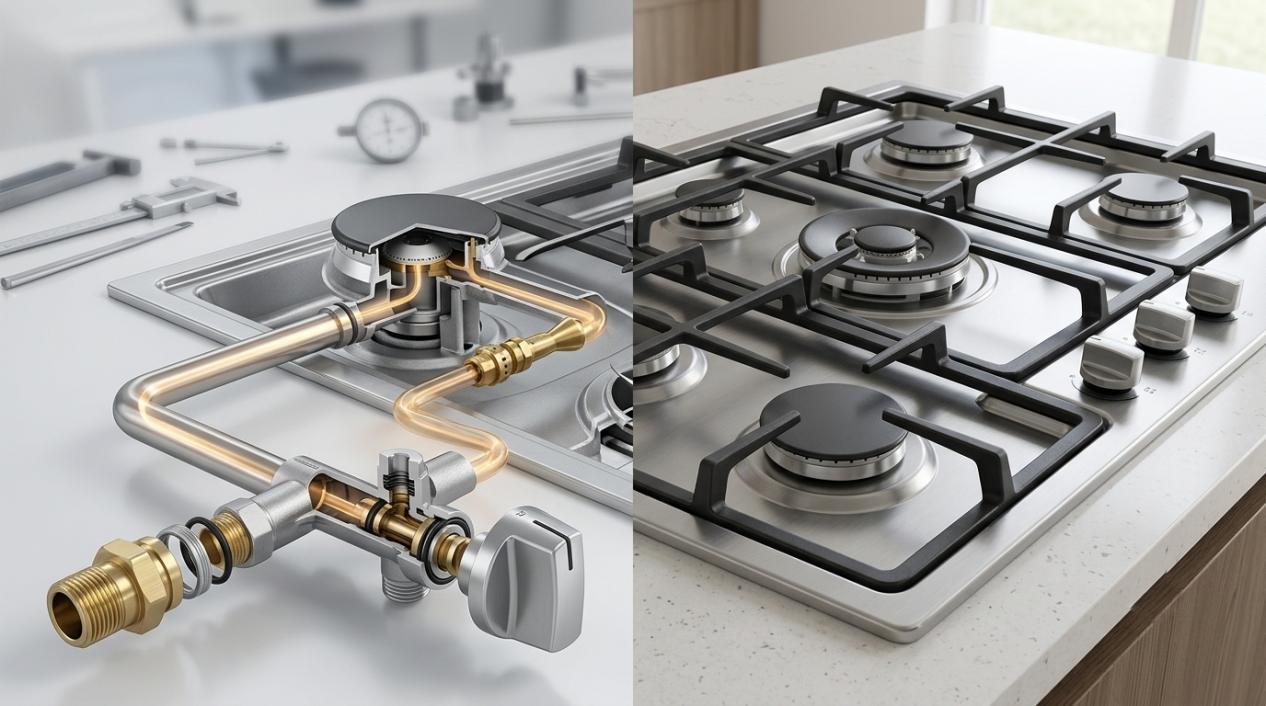
This is one of the most common concerns reported by cooktop users and installers, and it almost always points to an issue upstream of the burner. The following issues are the most common reasons why a gas cooktop may smell like gas when it is turned off.
Loose Connections
Loose fittings are a frequent culprit. Installation error, vibration over time, or poorly tightened joints can allow small amounts of gas to escape. Missing washers or inadequate sealing compound increase the risk.
Valve Problems
A valve that does not fully close, or an aging internal seal, can let gas seep even when the control knob is in the off position.
Installation Issues
Whether it is a new kitchen build, a renovation project, or a simple cooktop swap, rushed or inexperienced work often leaves connections under-tightened or mismatched.
What are Common Causes of Gas Leaks in Cooktops?
Understanding the product structure helps you see where problems start.
Gas Inlet and Sealing Problems
Gas inlet connection problems top the list. Loose fittings or damaged seals at the point where the supply line meets the appliance allow gas to escape before it reaches the valves.
Incorrect LPG and Natural Gas Conversion
Incorrect LPG and natural gas conversion is a common issue in international markets, especially when appliances are supplied across regions with different gas standards. LPG and natural gas operate at different pressures and require specific injectors and regulator settings. Using the wrong injector, regulator, or gas configuration for local requirements can increase the risk of gas leaks, unstable flames, or incomplete combustion.
Damaged Hoses or Gas Lines
Aging flexible hoses can develop cracks, and incorrect installation (kinks, over-tightening, or wrong fittings) creates weak points.
Burner and Ignition Issues
Not every odor is a true leak. A misplaced burner cap, blocked burner holes, or delayed ignition can let unburned gas accumulate briefly and create a smell that feels like a leak.
How Can I Tell If My Gas Cooktop Is Leaking?
Start with observation, then move to simple visual checks—never force anything open yourself.
| Symptom | Possible Cause |
|---|---|
| Gas smell when OFF | Connection, valve, or sealing issue |
| Hissing sound | Gas escaping from a connection point |
| Yellow or orange flame | Incorrect gas-air mixture |
| Delayed ignition smell | Burner or ignition issue |
Look for visible hose damage, loose nuts at the gas inlet, or uneven burner condition. Do not dismantle internal gas components; that work belongs to a qualified technician.
Gas Leak Detection Methods: Bubble Test & Professional Testing
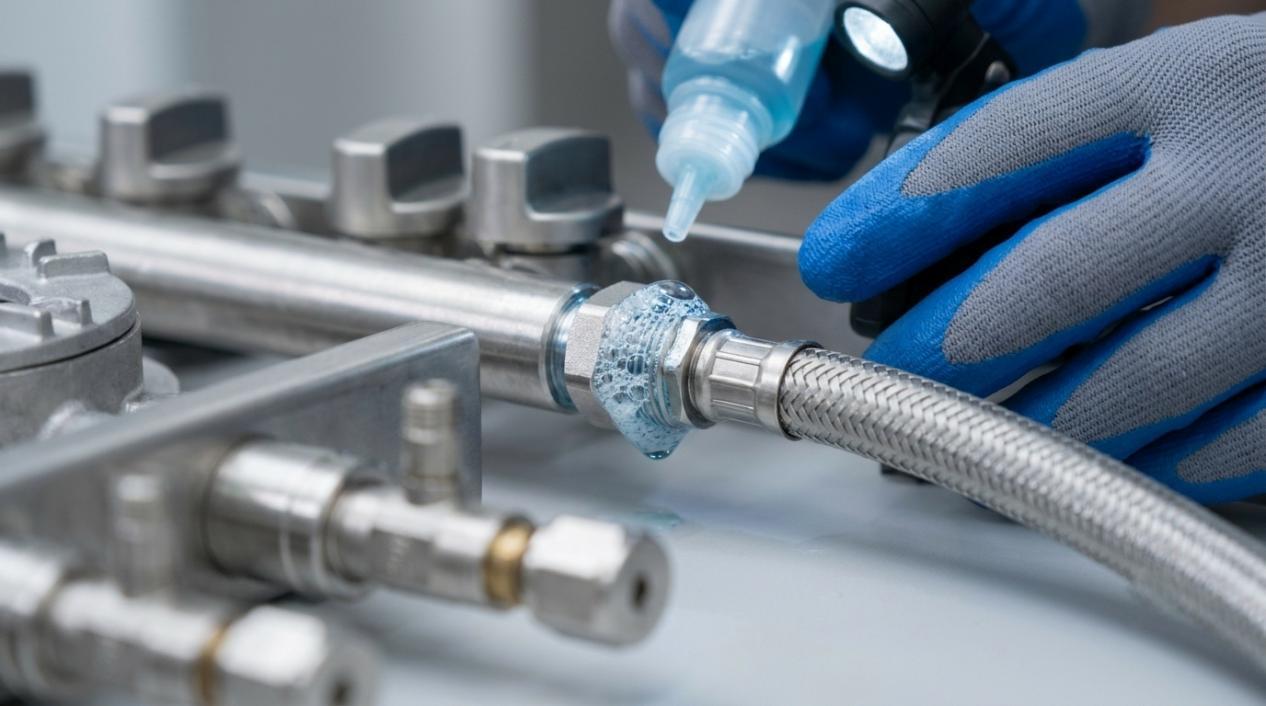
What is the bubble test method for gas leaks? A bubble test uses a leak-detection solution applied around suspected connection points by qualified personnel. Growing bubbles indicate escaping gas. Qualified technicians may use a soapy water solution or commercial leak detection fluid to identify potential leak points. Always follow local safety codes and the manufacturer’s guidelines—never use an open flame.
Professional gas leak testing in manufacturing goes further. Factories perform gas-pressure tests, leak inspections under controlled conditions, and combustion testing before shipment. These steps catch issues that a simple field check might miss.
Why Does My New Gas Hob Smell Like Gas After Installation?
A new gas hob that smells like gas after installation does not automatically mean the product is defective. Installation quality is often the deciding factor.
Common reasons include incorrect gas connection, wrong LPG/NG configuration for the local supply, regulator mismatch, and installation completed without proper leak testing. This is why installation guidance and correct gas configuration are especially important for distributors and project contractors. In my experience supporting both residential and project installations, most post-install smell complaints trace back to these points rather than a manufacturing fault.
How Manufacturers Prevent Gas Leak Problems in Cooktops?
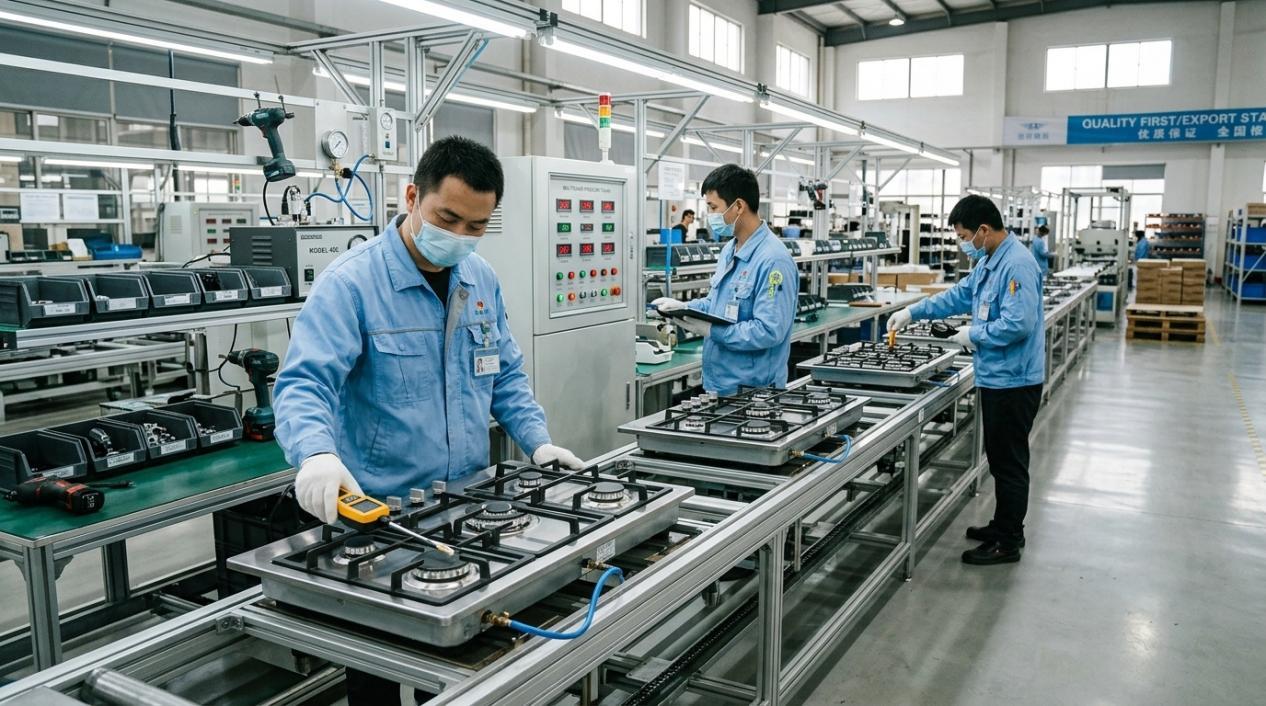
Professional gas hob manufacturers reduce leak risks through controlled design, component inspection, assembly standards, and final safety testing.
The gas pathway itself is controlled: gas inlet → valve → injector → burner system. Each joint is designed and sealed to specific torque and material standards.
Factory gas leak testing follows a clear sequence: component inspection → assembly → gas pressure test → leak inspection → final quality approval. Units that fail any stage are rejected or reworked.
Depending on the target market, manufacturers may need to meet regional compliance requirements such as CE, UKCA, CSA, or SAA standards. Professional gas hob manufacturers apply these controls to reduce field failures and customer complaints. For export markets, this process also includes adapting gas types, pressure requirements, and certification needs according to different regions and regulations.
How Distributors Can Reduce Gas Leak Complaints?

For wholesalers, distributors, and project suppliers, three practical steps can significantly reduce after-sales complaints.
Select the correct gas configuration before ordering. Confirm the target country’s gas type and pressure requirements so the injectors and regulators match on arrival.
Work with manufacturers that maintain documented quality-testing procedures. Ask for leak-testing records, relevant certifications, and a clear QC process. A professional gas hob manufacturer should be able to provide clear quality-control information and compliance documents.
Provide clear installation guidance to your installers and customers. Simple checklists and torque specifications reduce returns and after-sales calls.
When Should You Stop Using a Gas Cooktop?
Stop using the appliance immediately if you notice a strong gas smell, a smell that appears when the unit is off, any hissing sound, or other signs of suspected leakage. Shut off the gas supply if it is safe to do so, ventilate the space thoroughly, and contact a qualified technician. These situations should always be treated seriously.
FAQ: Common Gas Smell & Leak Questions
Why does my gas cooktop smell like gas when it is off? Common causes include loose connections, valves that do not seal completely, or installation issues. Stop using the appliance, ventilate the area, and have it checked promptly by a qualified technician.
Common causes include loose connections, valves that do not seal completely, or installation issues. Stop using the appliance, ventilate the area, and have it checked promptly by a qualified technician.
Is it normal to smell gas when lighting a gas cooktop? A brief odor during ignition can be normal because a small amount of unburned gas may be present before the flame stabilizes. A smell that continues after ignition should be investigated.
A brief odor during ignition can be normal because a small amount of unburned gas may be present before the flame stabilizes. A smell that continues after ignition should be investigated.
Why does my new gas hob smell like gas after installation? Common causes include incorrect connections, wrong gas-type setup, regulator mismatch, or missing leak testing after installation.
Common causes include incorrect connections, wrong gas-type setup, regulator mismatch, or missing leak testing after installation.
How can I tell if my gas cooktop is leaking? Persistent smell when off, hissing, or yellow flames are strong indicators. Bubble testing is generally performed by qualified personnel using an appropriate leak-detection solution around suspected connection points.
Persistent smell when off, hissing, or yellow flames are strong indicators. Bubble testing is generally performed by qualified personnel using an appropriate leak-detection solution around suspected connection points.
What causes gas leaks in cooktops? Common causes include loose fittings, damaged seals or hoses, incorrect LPG/NG conversion, and aging valves.
Common causes include loose fittings, damaged seals or hoses, incorrect LPG/NG conversion, and aging valves.
What is the bubble test method for gas leaks? A bubble test uses a leak-detection solution around suspected connection points to identify escaping gas and is typically carried out by qualified personnel.
A bubble test uses a leak-detection solution around suspected connection points to identify escaping gas and is typically carried out by qualified personnel.
Can incorrect LPG or natural gas conversion cause gas problems? Yes. Wrong injectors or pressure settings can produce leakage, unstable flames, and strong gas odor.
Yes. Wrong injectors or pressure settings can produce leakage, unstable flames, and strong gas odor.
Conclusion
A gas cooktop that smells like gas can indicate anything from a normal ignition moment to a potential safety concern. The key is distinguishing the two quickly and acting correctly—shut off the supply if safe, ventilate, and seek professional help when the smell persists or appears while the unit is off.
Proper installation and accurate gas-type configuration prevent many common field problems. Choosing a manufacturer that performs rigorous factory leak testing and holds the relevant safety certifications further reduces the chance of issues reaching your customers.
As an experienced gas hob manufacturer, CHEFF supports distributors, wholesalers, and project partners with market-specific configurations, quality testing procedures, and manufacturing solutions. Contact us to discuss the right setup for your target markets and help reduce gas-related after-sales complaints.