How to Verify a Kitchen Appliance Factory in China Before Ordering
- Share
- publisher
- CHEFF
- Issue Time
- Jun 16,2026
Summary
The article explains factory verification, audit steps, and a checklist covering compliance, capacity, quality, certifications, and R&D, plus the role of sourcing agents in risk control.

In today's global supply chain, sourcing kitchen appliances from China offers cost advantages and scale, but it also comes with significant risks. As a seasoned expert in the gas appliance industry with deep knowledge of EU market requirements, I have helped numerous clients successfully verify appliance factory partners in China. Proper due diligence using a structured factory audit checklist and working with a reliable China sourcing agent can prevent costly mistakes and ensure long-term success.

1. Why Verifying a Chinese Kitchen Appliance Factory is Critical
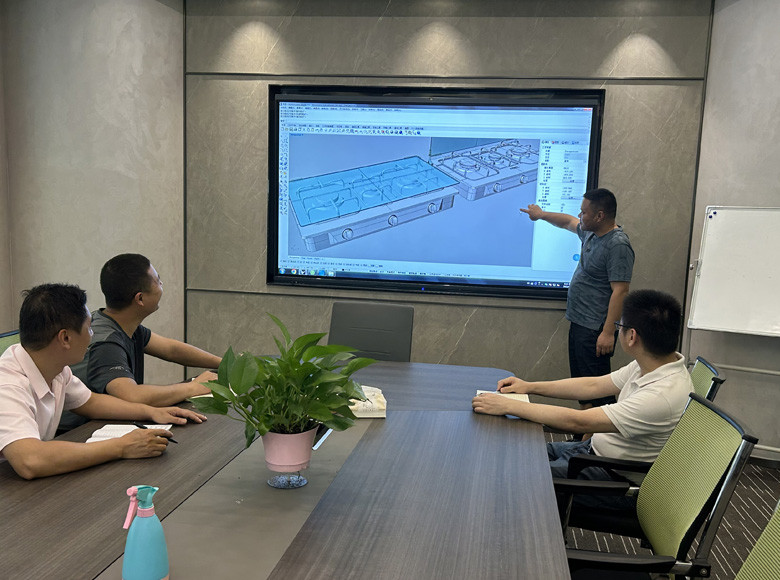
Kitchen appliances, especially gas hobs and electric cookers, must meet stringent safety, performance, and regulatory standards for export. Without thorough verification, buyers often encounter fake factories, substandard materials, inconsistent quality, or non-compliant products that fail customs or market surveillance.
Common risks include inflated production capacity claims, lack of proper certifications (CE, GS, ISO,UKCA,CB), poor labor conditions leading to supply disruptions, and intellectual property leakage. A professional factory audit checklist helps mitigate these issues and builds trust in the partnership.
2. Step-by-Step Guide to Verify Appliance Factory
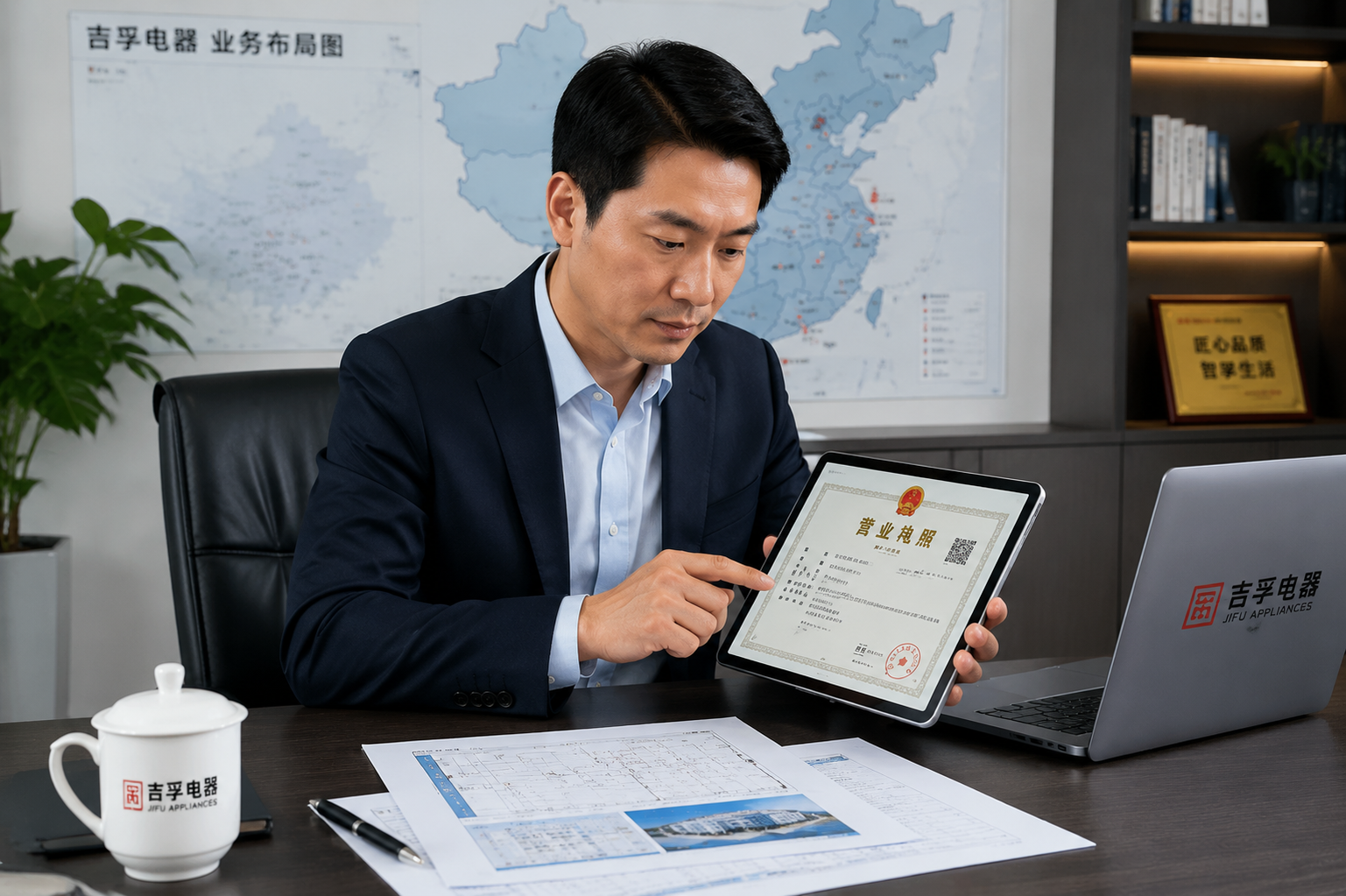
Start with remote verification: request business license, export records, and factory photos/videos. Cross-check details on official platforms and Google Earth/Baidu Maps for address authenticity.
Next, review key documents such as quality manuals, past audit reports, and product test certificates. Prepare targeted questions about production processes specific to kitchen appliances. Finally, plan an on-site audit or engage a third party for objectivity.
3. Essential Factory Audit Checklist
A comprehensive factory audit checklist is your most powerful tool. Here is a practical checklist tailored for kitchen appliance manufacturers:
| Category | Key Verification Points | Red Flags |
| Legal & Company Profile | Business license, registration, ownership | Mismatched addresses, no license |
| Production Capacity & Equipment | Actual lines, machinery condition, daily output | Idle machines, outdated equipment |
Quality Management System | IQC, IPQC, OQC processes, defect handling | No documented procedures |
Certifications & Compliance | ISO 9001, CE, RoHS, product-specific tests | Expired or suspicious certificates |
Workforce & Social Compliance | Worker training, hours, safety measures | Signs of excessive overtime |
Warehouse & Traceability | Material storage, lot tracking, packaging standards | Poor organization, mixing batches |
R&D and Customization | Sample development capability for kitchen appliances | Limited engineering support |
Use this factory audit checklist systematically during visits or through a China sourcing agent.
4. The Role of a China Sourcing Agent in Verification
A professional China sourcing agent provides invaluable on-the-ground support. They speak the local language, understand regional industrial clusters (e.g., Guangdong for appliances), coordinate audits, and negotiate contracts. Reputable agents can arrange third-party audits with firms like SGS or Intertek and help interpret results objectively.
When selecting a China sourcing agent, verify their own credentials, client references, and transparency in fees.
5. Best Practices and Common Pitfalls
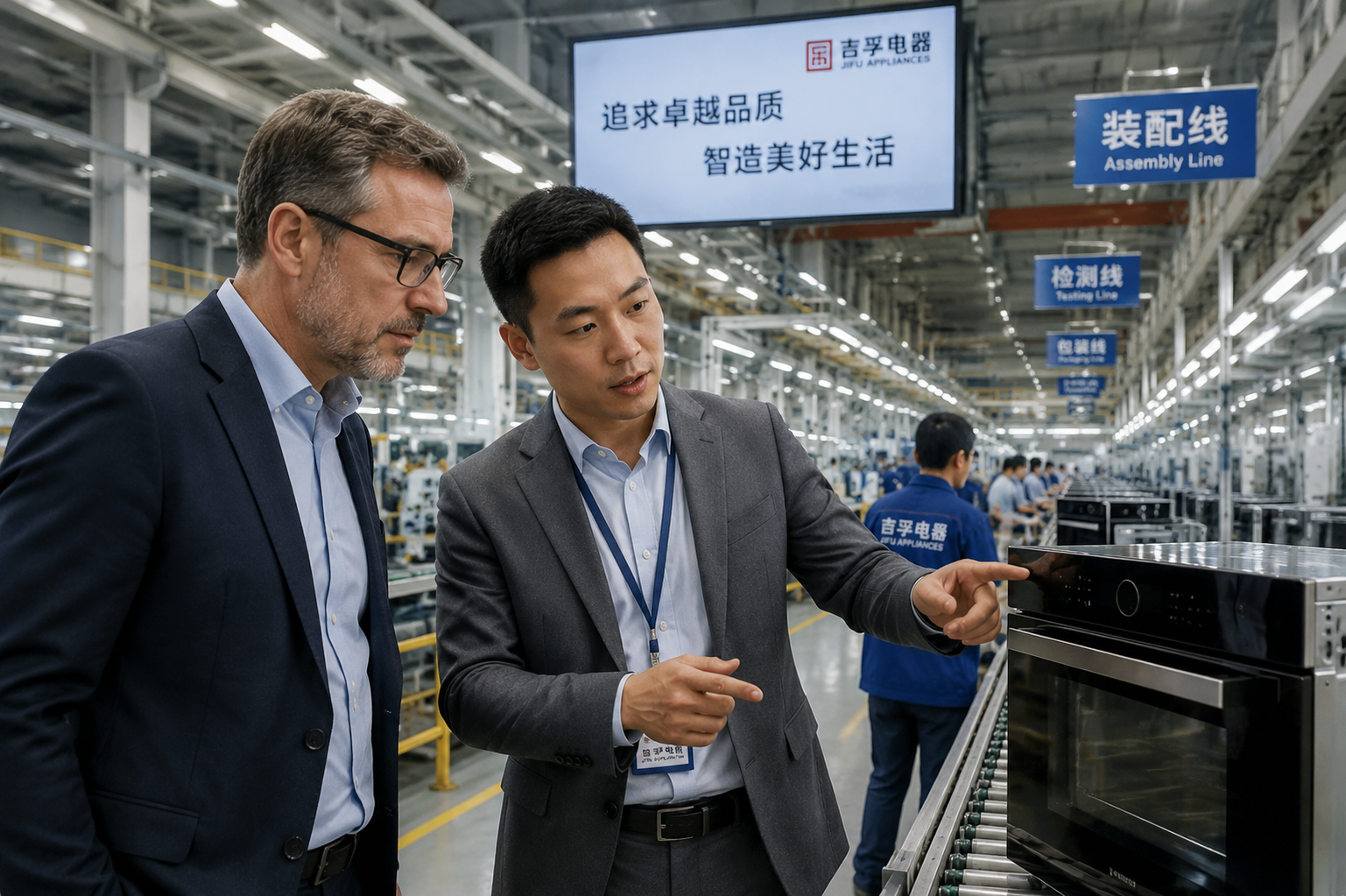
Always combine document review with physical inspection. Request pre-production samples and conduct performance tests relevant to kitchen appliances (safety, efficiency, durability). Avoid common pitfalls like relying solely on virtual tours or rushing the process. Implement ongoing monitoring even after ordering.
For gas-related appliances, pay special attention to combustion testing capabilities and EU GAR compliance readiness.
Conclusion and Recommendation
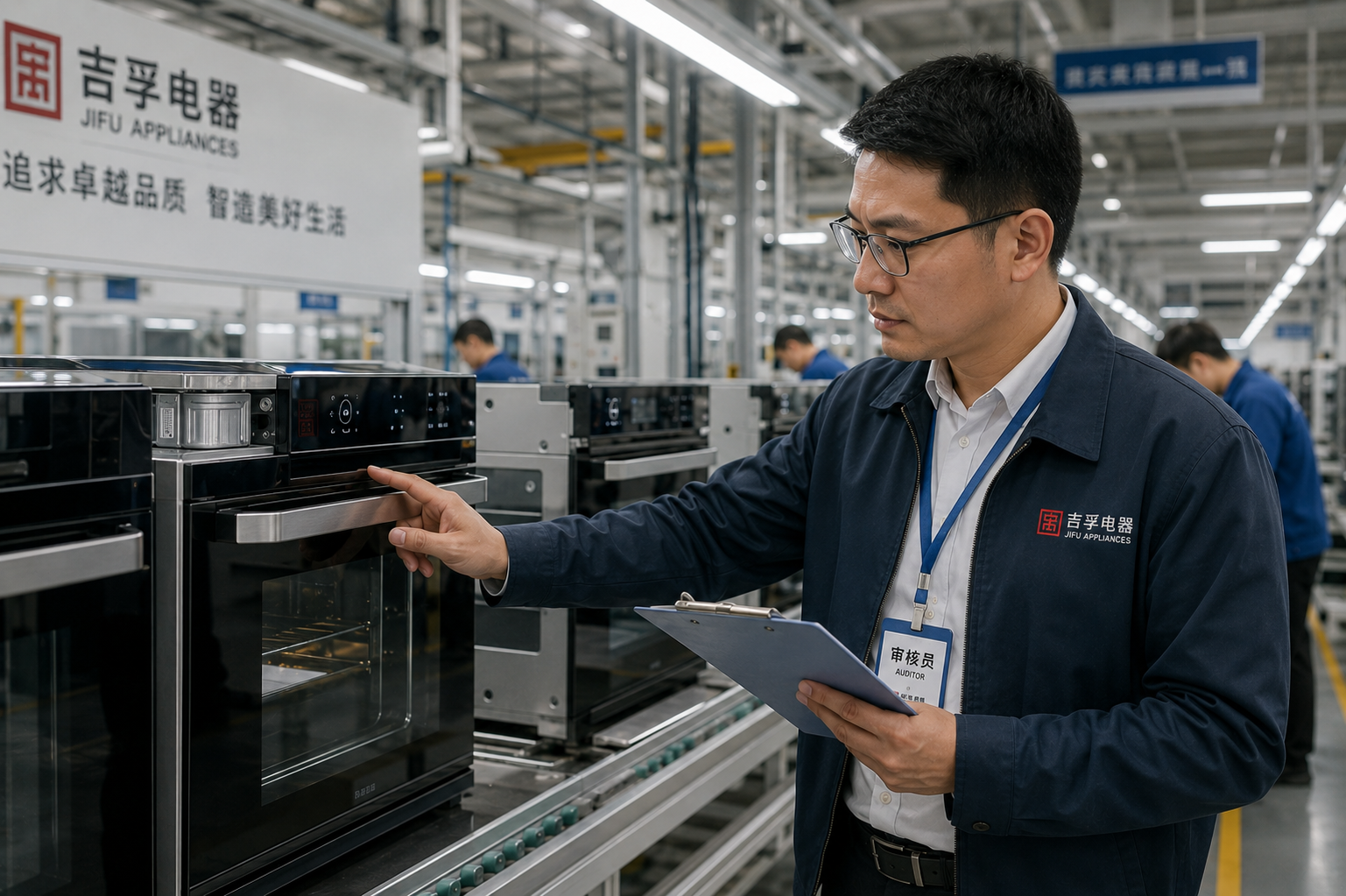
Successfully sourcing kitchen appliances from China requires diligence. Using a detailed factory audit checklist to verify appliance factory capabilities, supported by an experienced China sourcing agent, significantly reduces risks and ensures quality products.
CheffCooker stands out as a trusted, fully verified kitchen appliance manufacturer in China that meets international standards, including rigorous EU certifications. Their transparent processes and professional facilities make them an excellent partner.
Contact the CheffCooker expert team today to obtain detailed factory information, audit reports, and customized support for your sourcing needs. Let us help you build a reliable and efficient supply chain for high-quality kitchen appliances.