Gas-on-Glass vs Stainless Steel Cooktops: Which Is Better for Your Market?
- Share
- publisher
- CHEFF
- Issue Time
- Aug 11,2026
Summary
Compare gas-on-glass and stainless steel gas cooktops for durability, cleaning, cost, and market fit. Discover the best choice for residential, hospitality, rental, and commercial applications.
Quick Answer
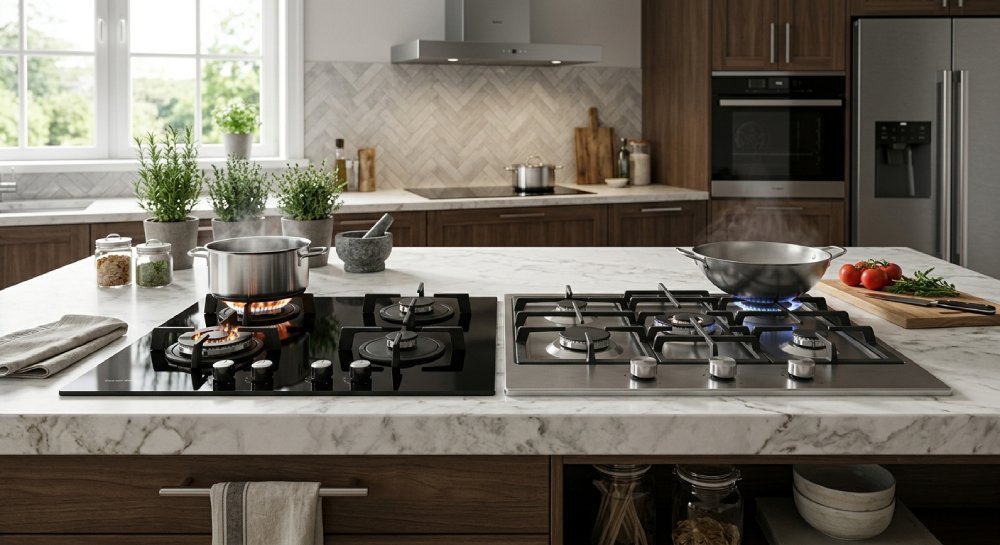
There is no universal winner between gas-on-glass and stainless steel cooktops. The better choice depends on application, market positioning, durability requirements, maintenance expectations, and total cost of ownership. Gas-on-glass fits premium, design-focused kitchens; stainless steel fits durability, cost control, and heavy-duty use. Many distributors stock both to cover more segments.
If you source gas cooktops for wholesale, distribution, or project development, you already know that buyers often ask whether gas-on-glass or stainless steel is the better surface. The deeper question that drives purchasing decisions is whether the surface material matches the target market, application, and long-term cost expectations.
After years of working with kitchen appliance manufacturers and overseas buyers, one conclusion is clear: buyers who make procurement decisions based only on appearance or initial price may face higher long-term costs and after-sales challenges. This guide helps distributors and importers match the right surface to different markets and projects.
What Is the Difference Between Gas-on-Glass and Stainless Steel Cooktops?
Understanding the basic surface technology helps distributors explain product differences, position pricing, and avoid recommending the wrong solution for different markets.
What Is a Gas-on-Glass Cooktop?
A gas-on-glass cooktop is a type of built-in gas hob that places standard gas burners on a tempered glass panel. The cooking method remains traditional gas heating; the glass simply replaces the traditional metal top. It is not an induction cooktop. Many first-time buyers confuse the two because both can look sleek and flat. In practice, users still adjust flame intensity through traditional gas controls and need proper pan supports and burner design.
What Is a Stainless Steel Gas Cooktop?
A stainless steel gas cooktop uses a stainless steel surface with different grades, thicknesses, and structural designs. These factors influence corrosion resistance, durability, appearance, and long-term performance. Stainless steel gas cooktops are widely used in both residential and commercial applications because the material generally handles impact and repeated cleaning well.
Gas-on-Glass vs Stainless Steel Cooktops: Which Is the Better Choice?
Quick answer: Neither material is universally better. Gas-on-glass is often preferred for premium kitchens and design-focused projects, while stainless steel is commonly chosen for durability, cost control, and heavy-duty applications.
Here is a practical gas cooktop comparison that goes beyond basic looks and price:
| Factor | Gas-on-Glass Cooktop | Stainless Steel Gas Cooktop |
|---|---|---|
| Appearance | Premium, modern | Professional, practical |
| Cleaning | Easy surface wiping | Easy but needs polishing |
| Impact resistance | Moderate | High |
| Scratch visibility | Higher | Lower |
| Price positioning | Mid-high | Wide range |
| Heavy-duty suitability | Depends on design | Strong |
| Premium projects | Excellent | Good |
| Value segment | Limited | Strong |
| Target positioning | Premium residential / design-focused | Value-oriented / heavy-duty |
| After-sales consideration | Requires careful handling and quality control | Generally more forgiving for high-impact environments |
| Best applications | Villas, premium kitchens, modern projects | Commercial kitchens, rental properties, value housing |
| Recommended buyer type | Premium residential buyers | Cost-focused distributors / project buyers |
These extra factors—market positioning, after-sales risk, application fit, and buyer type—help importers and distributors make decisions that hold up over time.
Is Gas-on-Glass More Durable Than Stainless Steel?
Surface material alone does not determine cooktop durability. In real projects, well-engineered gas-on-glass units can deliver reliable performance, while poorly constructed stainless steel models may still experience performance issues.
What Determines the Durability of a Gas-on-Glass Cooktop?
Tempered glass thickness, tempering quality, and thermal shock resistance are key factors. Burner positioning, heat distribution, pan support design, and installation quality also matter. Strong packaging reduces shipping risk, which is especially important for tempered glass gas hobs exported internationally.
For buyers comparing 6mm and 8mm tempered glass panels, glass thickness can influence rigidity, impact resistance, product positioning, and suitability for different applications. See our detailed guide to 6mm vs 8mm tempered glass gas hobs for a deeper comparison.
What Determines the Durability of a Stainless Steel Cooktop?
Stainless steel gas hob durability depends on material grade, thickness, structural design, corrosion resistance, surface finishing, and manufacturing quality. Different stainless steel grades, such as 304 and 201 stainless steel, provide different levels of corrosion resistance and cost performance. In humid or coastal markets, grade selection becomes critical. For a detailed comparison of these two grades and their suitability for different projects, see our guide to 304 vs 201 stainless steel cooktops.
What Makes a High-Quality Gas Cooktop?

Beyond the surface material, several core elements determine whether a gas cooktop performs reliably for end users and creates fewer problems for importers. Burner performance, burner cap material, flame stability, and ignition system reliability directly affect daily cooking performance. Safety devices such as flame failure devices help protect users and improve compliance with regional safety requirements.
Material quality—whether tempered glass or stainless steel—must match the intended application. Consistent production inspection, factory quality control, and certification compliance reduce after-sales risk. For international buyers working with a gas cooktop manufacturer or OEM gas hob supplier, these factors often matter more than surface appearance alone.
Is Gas-on-Glass Easier to Clean Than Stainless Steel?
Cleaning Advantages of Gas-on-Glass
The flat surface allows quick cleaning of spills and maintains a modern appearance. Limitations include fingerprints, water spots, visible scratches, and grease that still collects around burners and grates. Burner components still require regular cleaning.
Cleaning Advantages of Stainless Steel
The surface tolerates more impact and more aggressive cleaning. Grease around burners and the need for occasional polishing remain practical challenges.
In other words, gas-on-glass is often easier to wipe, while stainless steel can be more forgiving in demanding environments. Easy to wipe does not always mean easy to maintain over years of daily use.
Which Gas Cooktop Has Lower Total Cost of Ownership?
Initial Purchase Cost
Gas-on-glass usually sits in a premium price band with higher perceived value. Stainless steel covers a wider range and gives buyers more room for cost control.
Transportation and Packaging Considerations
Glass requires stronger impact protection. Shipping damage risk is higher, so packaging quality and supplier experience directly affect landed cost.
Maintenance and After-Sales Risk
Replacement parts availability, typical service needs, and warranty terms influence long-term cost. In high-turnover settings, parts access often outweighs the initial surface choice.
How Supplier Selection Affects Total Cost
The right gas hob supplier—or OEM gas hob supplier—reduces hidden costs through consistent quality control, reliable spare parts supply, export-ready packaging, certification support, technical documentation, and customization capability. MOQ flexibility also helps international buyers manage overall project economics.
Which Is Better for Different Applications: Gas-on-Glass or Stainless Steel?
Premium Residential Kitchens
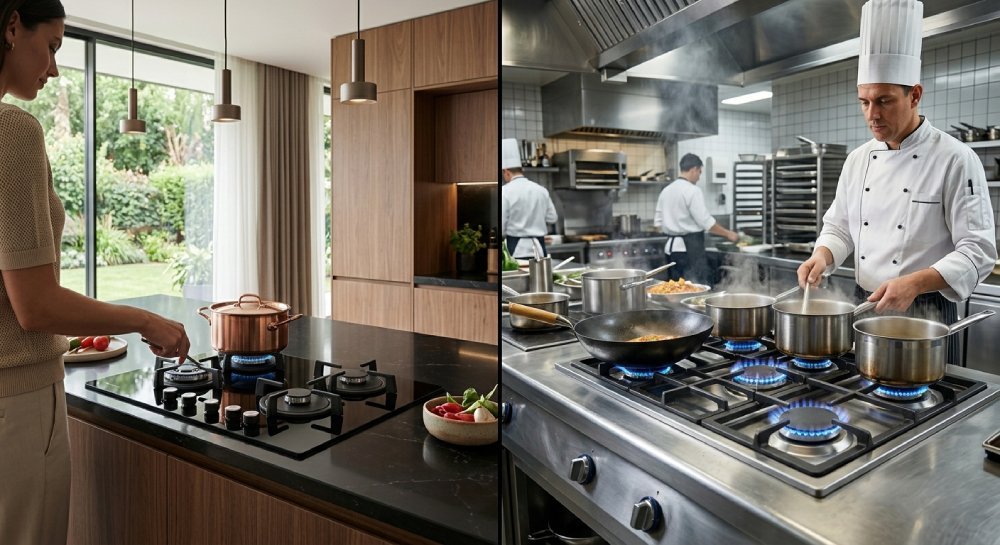
Gas-on-glass is often preferred. The modern design and premium positioning match aesthetic expectations.
Villa and Luxury Kitchen Projects
Gas-on-glass is often preferred for its integrated appearance in full premium appliance packages.
Hotels and Commercial Applications
It depends on the project. Many high-traffic hospitality kitchens tend to favor stainless steel because of impact resistance and simpler maintenance. Luxury hospitality can use gas-on-glass where appearance supports the guest experience.
Rental Properties and Mass Housing
Stainless steel is often preferred for durability, easier replacement, and tighter cost control.
Which Gas Cooktop Surface Is Better for Different Markets?
International buyers need to consider not only design preference but also regional requirements, local gas hob market conditions, certification requirements, and end-user expectations. Buyers in design-driven markets often lean toward glass for its modern built-in look. In more price-sensitive markets, durability and maintenance simplicity tend to rank higher.
Fuel type requirements, including LPG or natural gas compatibility, along with local rules and project scale, also influence the final mix. Matching surface choice to the actual end-user environment usually produces better results than following a single global preference.
Should Distributors Stock Gas-on-Glass or Stainless Steel Cooktops?
Gas-on-Glass as a Premium Product Line
It fits villas, premium residential projects, and design-focused packages.
Stainless Steel as a Value-Oriented Product Line
It covers value-oriented residential, rental, and many commercial needs.
Why Stock Both?
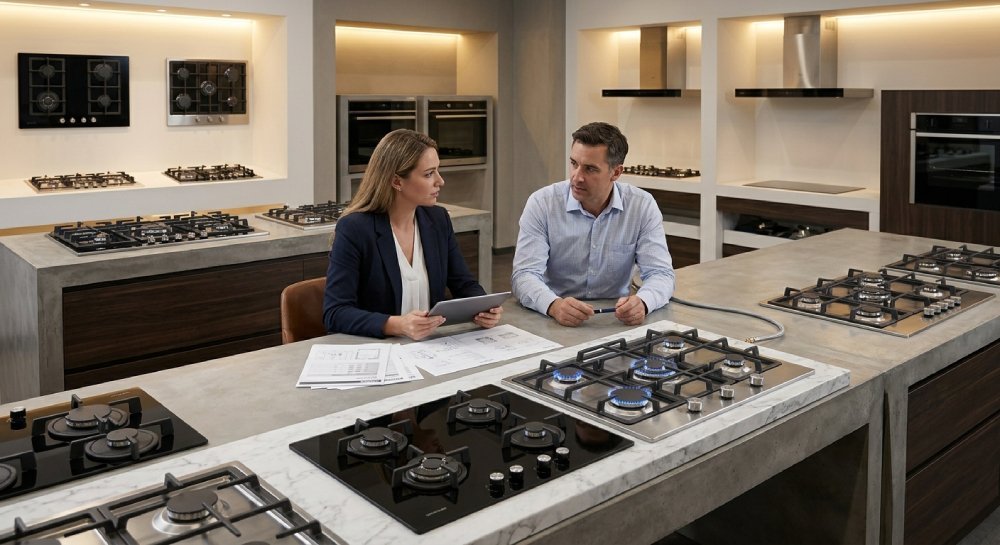
Gas-on-glass and stainless steel are not competing products. They serve different customer segments. Building a two-tier portfolio lets distributors answer more tenders and reduce the risk of missing an entire buyer group. Manufacturers such as CHEFF, which offer both surface options, provide consistent burner platforms and safety features, helping distributors simplify technical support and product management.
What Should Buyers Check Before Ordering Gas Cooktops?
Gas-on-Glass Buying Checklist
- Tempered glass specification and thickness
- Thermal shock resistance
- Glass edge treatment
- Glass panel load resistance
- Burner-to-glass heat management
- Burner design and heat distribution
- Pan support stability
- Ignition system reliability
- Flame failure safety device
- Packaging strength for export
- Relevant market certifications
Stainless Steel Buying Checklist
- Steel grade and corrosion resistance
- Material thickness
- Surface finish quality
- Burner material and burner base construction
- Internal reinforcement
- Salt spray resistance
- Spare parts availability
A reliable gas hob supplier will provide clear documentation on these points rather than only marketing photos.
Gas-on-Glass vs Stainless Steel: Which One Should You Choose?
Gas-on-glass is generally suitable when premium appearance and design integration are priorities. Stainless steel is generally suitable when durability, budget control, and intensive use are more important.
For distributors and importers, treating surface material as a strategic product decision rather than only an aesthetic or price choice usually leads to better market coverage and lower long-term risks. A balanced range covering both surfaces gives distributors more flexibility across different projects and markets.
Choosing between gas-on-glass and stainless steel depends on target market, application, product positioning, and wholesale requirements. CHEFF supports distributors and project buyers with suitable gas hob solutions, OEM capabilities, quality control, and export experience. For tailored specifications and pricing options for your market, feel free to reach out via Contact Us.
Frequently Asked Questions
1. Should distributors stock both gas-on-glass and stainless steel models?
Yes. They address different segments. A balanced wholesale gas hob range improves the ability to serve different customer segments.
2. Can gas-on-glass cooktops be used in commercial kitchens?
They can be used in lower-impact or design-focused commercial settings, but many high-traffic commercial kitchens still prefer stainless steel for impact resistance and maintenance simplicity.
3. What should importers consider when buying gas cooktops?
Focus on glass or steel specifications, packaging quality, certifications, spare parts support, and the supplier's overall quality control process rather than surface appearance alone.
4. What is the best gas hob material for wholesalers?
There is no single best material. Many wholesalers choose to stock both gas-on-glass and stainless steel models to build a balanced wholesale gas hob range covering premium residential demand and cost-focused or heavy-duty segments.
5. What is the difference between a gas-on-glass hob and an induction cooktop?
A gas-on-glass cooktop (also called a gas-on-glass hob) still uses gas burners and an open flame, while an induction cooktop uses electromagnetic technology to heat compatible cookware. They may have a similar flat appearance, but the cooking technology and user requirements are completely different.